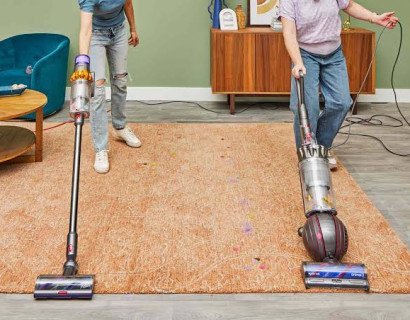

It is one of the most quietly divisive habits in modern life — and chances are you have already formed a very strong opinion about it. Do you kick your shoes off at the front door without a second thought? Or do you walk straight through the hallway, shoes firmly on, and carry on with your day? What seems like a simple, mundane habit is actually one of the most revealing windows into your personality, cultural background, values, and even your hygiene awareness.
Psychologists, cleaning experts, and cultural researchers agree: your shoe habits at home say far more about you than you might realise. Whether you are a dedicated shoes-off household or a confident shoes-on person, this is your complete breakdown of what wearing shoes inside the house says about your personality in 2026 — backed by science, culture, and a few truths you might not expect.
The Great Shoes Debate — Why It Matters More Than You Think
Walk into any home around the world and you will immediately get a sense of its culture, priorities, and the personality of the people who live there — often before anyone even says a word. The entryway tells the story. A neat row of shoes by the door signals one kind of household. Shoes walked straight through to the kitchen signals quite another. Neither is inherently wrong, but both say something deeply interesting about the person behind the habit.
In countries like Japan, South Korea, Finland, and Turkey, removing shoes before entering a home is not just a preference — it is a deeply ingrained cultural cornerstone tied to respect, cleanliness, and the sacred boundary between the outside world and the sanctuary of home. In much of the United States, Australia, and parts of Europe, shoes indoors are far more common and carry entirely different social connotations. Understanding where your habit comes from is the first step to understanding what it says about you.
🔬 Did You Know: A University of Houston study found that 39% of shoes tested carried Clostridium difficile — a dangerous bacterium resistant to many antibiotics — tracked in directly from outdoor surfaces. Your floors may be far less clean than they look.
If You Always Wear Shoes Inside — What It Reveals About You
People who wear shoes inside the house are often described by psychologists as spontaneous, action-oriented, and externally focused. For them, home is simply an extension of the outside world — a place of activity rather than retreat. They tend to be constantly on the move, treating their living space as a launchpad rather than a sanctuary. If this is you, you are likely someone who values momentum, hates slowing down, and finds rigid rules about domestic life faintly unnecessary.
There is also a strong comfort and confidence angle to consider. Many shoes-inside people simply feel more put-together, more ready, more themselves when they are fully dressed — shoes included. There is psychological research suggesting that what we wear directly affects how we feel and perform, a phenomenon called enclothed cognition. For these individuals, shoes are armour — they provide a sense of readiness and control that bare feet simply do not.
On the flip side, consistent shoes-inside habits can also indicate someone who is less attuned to hygiene concerns at home, or who prioritises convenience above cleanliness. This is not a character flaw — it is simply a different set of priorities, often shaped by upbringing, culture, or the layout of the home itself.
- Action-oriented and always on the go — home is a base, not a haven.
- Confident and self-assured — fully dressed feels fully themselves.
- Spontaneous and adaptable — rules feel restrictive rather than reassuring.
- Comfort with informality — less concerned with strict domestic rituals.
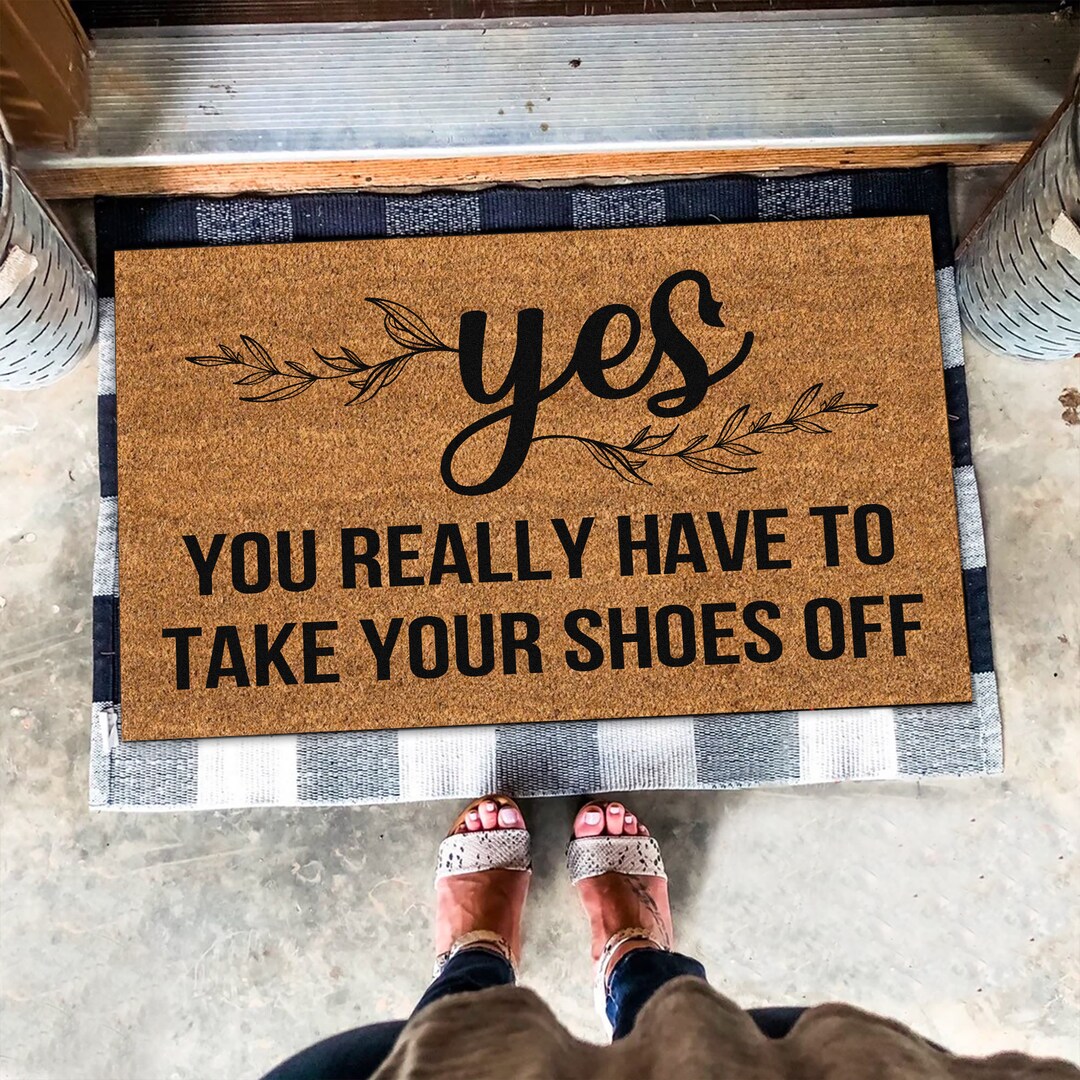
If You Always Take Shoes Off — What It Says About Your Character
People who remove their shoes the moment they step through the front door tend to be deeply boundary-conscious, detail-oriented, and highly considerate of others in their space. For them, the act of removing shoes is not just practical — it is a ritual. It marks the transition from the chaotic, unpredictable outside world into a space of calm, control, and comfort. Home is a sanctuary, and that boundary matters enormously to them.
Research in personality psychology consistently links shoes-off habits with conscientiousness — one of the Big Five personality traits associated with organisation, reliability, and a strong sense of responsibility. These are people who tend to think ahead, plan carefully, and take genuine pride in their environment. A clean, well-maintained home is not just a preference for them — it is an expression of who they are.
There is also a powerful respect and hospitality dimension at play. In many cultures that practise shoes-off etiquette, the gesture is fundamentally one of courtesy — both to the home itself and to everyone who shares that space. If you instinctively ask guests to remove their shoes, you are likely someone who is deeply empathetic, socially aware, and attentive to the comfort of people around you.
📖 Also Read: Why Your Home Habits Reveal Your True Personality · The Psychology of Clean Spaces and Mental Health
The Hygiene Science — What Your Shoes Are Really Carrying
Beyond personality, there is cold, hard science to consider — and it is not particularly comfortable reading for anyone in the shoes-inside camp. A landmark study from the University of Arizona found an average of 421,000 bacteria on the outside of shoes, with 96% of those shoes testing positive for coliform bacteria — a group that includes E. coli and other pathogens commonly found in faecal matter. Every step you take indoors with outdoor shoes is a bacteria transfer event.
The transfer rate from contaminated shoes to clean flooring was found to be as high as 90% with each step — meaning your indoor floors may be dramatically less hygienic than you assume, no matter how often you mop or vacuum. For households with young children who play on the floor, or for anyone with a compromised immune system, this is a particularly significant consideration that goes well beyond aesthetics or personality preference.
Beyond bacteria, outdoor shoes also track in pesticides, heavy metals, pollen, and road chemicals — all of which accumulate in carpet fibres and hard flooring over time. The argument for removing shoes at the door, from a purely scientific standpoint, is compelling and essentially unanswerable.
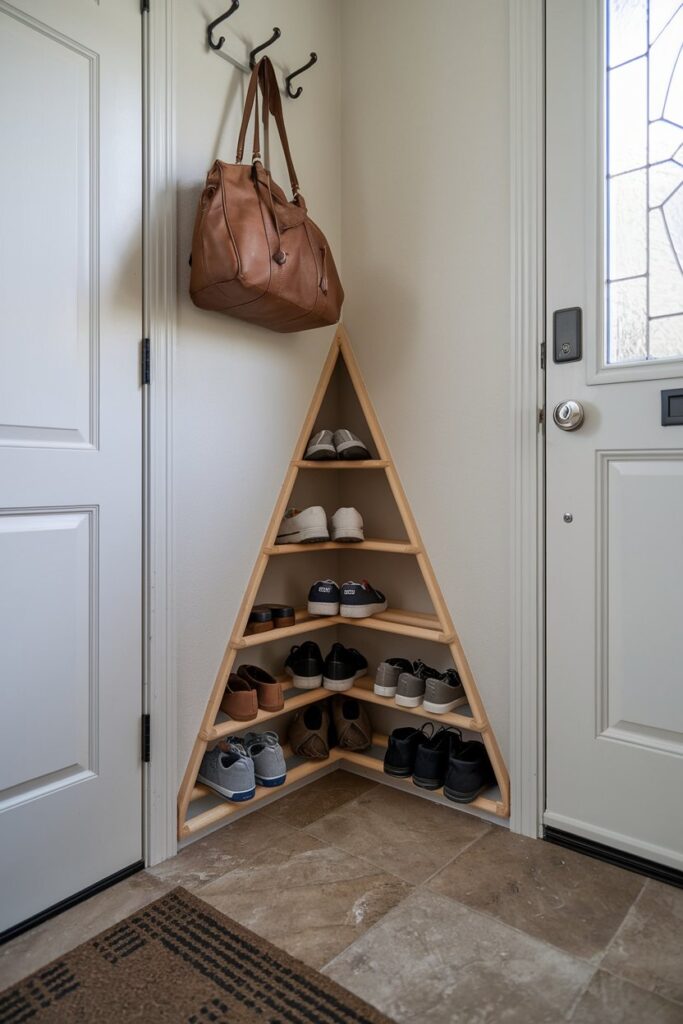
Cultural Perspectives — Around the World in Shoes (Or Without Them)
Your shoe habits at home are inseparable from your cultural background — and understanding these global differences is a fascinating lens through which to examine your own instincts. In Japan, the removal of shoes before entering a home is one of the most fundamental social customs in the entire culture. The entryway — known as the genkan — is architecturally designed as a transitional space, often slightly lower than the rest of the home, specifically to mark the boundary between outside and inside.
In Scandinavian countries, shoes off indoors is a near-universal habit driven by practical climate conditions — salt, snow, and mud make outdoor footwear an obvious hazard for indoor flooring. In India and much of Southeast Asia, removing footwear before entering a home or place of worship is both a hygiene practice and a deeply spiritual act of humility and respect.
By contrast, in many parts of the United States and Canada, walking indoors with shoes is considered perfectly normal in many households — a habit shaped by larger living spaces, garage-entry homes, and a cultural emphasis on informality. Neither approach is superior; both are simply the product of geography, climate, architecture, and generations of social habit.
- Japan & South Korea — Shoes-off is a non-negotiable cultural cornerstone tied to respect and spiritual cleanliness.
- Scandinavia & Finland — Climate practicality drives universal shoes-off habits in virtually every household.
- India & Southeast Asia — Footwear removal is both hygienic practice and a gesture of spiritual humility.
- USA & Australia — Mixed habits, with shoes-on being more culturally accepted but increasingly questioned.
🔬 Personality Insight: Studies show that people raised in shoes-off households are statistically more likely to be higher in agreeableness and conscientiousness — two of the most socially beneficial personality traits in the Big Five model.
What Asking Guests to Remove Their Shoes Says About You
This is where things get socially interesting. Asking a guest to remove their shoes at the door is a moment that reveals enormous amounts about both the host and the guest — and how each person responds to that moment is itself a personality test in miniature. If you are a host who confidently and warmly asks guests to remove their shoes, research suggests you score high in openness, self-assurance, and respect for your own space. You are someone who values their environment and is comfortable communicating boundaries clearly — a genuinely healthy trait.
Guests who immediately comply and even apologise for not removing shoes first tend to be high in agreeableness and social sensitivity. Guests who visibly bristle at the request, or who comply reluctantly, tend to score higher in independence and low agreeableness — not necessarily bad traits, but revealing ones. The entire social interaction around shoe removal is a remarkably accurate personality mirror for everyone involved.
How to Create a Shoes-Off Home That Actually Works
If the science and personality insights have nudged you toward adopting a shoes-off policy — or if you already have one but want to make it more comfortable for guests — there are some genuinely effective strategies that make the habit seamless, welcoming, and sustainable for everyone in the household.
- Invest in a proper entryway setup — a good shoe rack, a stylish bench for sitting, and a clear visual cue makes the habit feel natural rather than forced.
- Keep guest slippers available — a small basket of clean guest slippers near the door is both practical and a genuinely thoughtful gesture that guests remember.
- Use a quality doormat — a high-absorbency outdoor mat catches the majority of debris before anyone even crosses the threshold.
- Lead by example — if you always remove your own shoes immediately upon arriving home, guests instinctively follow without needing to be asked.
- Keep indoor footwear comfortable — invest in quality indoor slippers or supportive house shoes; it makes the shoes-off transition genuinely enjoyable rather than a reluctant compromise.
📖 You Might Also Like: Best Indoor Slippers for Home Comfort 2026 · Home Hygiene Habits That Make a Real Difference
Shoes Inside the House — The Verdict
Whether you are firmly in the shoes-on camp, a lifelong shoes-off household, or somewhere in the complicated middle — your habits around footwear at home are a genuine window into your personality, your cultural identity, your relationship with your living space, and your approach to hygiene. There is no single right answer, but there are clear patterns: shoes-off people tend to be more conscientious, boundary-aware, and detail-oriented, while shoes-on people tend to be more spontaneous, action-oriented, and comfort-driven.
What the science does make abundantly clear is that from a purely hygiene standpoint, leaving outdoor shoes at the door is one of the single most effective and effortless things you can do for the cleanliness and health of your home. And given how simple it is to make the switch — it might just be time to leave your outside world outside, kick off your shoes, and reclaim your home as the sanctuary it was always meant to be.
Frequently Asked Questions
Is wearing shoes inside the house really that unhygienic?
Yes — research from the University of Arizona found that the outside of shoes carry an average of 421,000 bacteria, with a transfer rate to indoor floors of up to 90% per step. Removing shoes at the door is one of the most effective and simple hygiene habits you can adopt.
What personality type is most likely to wear shoes inside the house?
People who wear shoes indoors tend to score higher in spontaneity, extraversion, and low conscientiousness — not necessarily in a negative way. They are action-oriented, constantly on the move, and view home as an active space rather than a passive sanctuary.
Which countries have a strong shoes-off culture?
Japan, South Korea, Finland, Turkey, India, and much of Southeast Asia all have strong shoes-off traditions rooted in culture, religion, and climate. In these countries, entering a home with outdoor shoes would be considered deeply disrespectful.
Is it rude to ask guests to remove their shoes?
Not at all — it is a perfectly reasonable and increasingly common request. The key is to ask warmly rather than apologetically, and to offer guest slippers if possible. Most people respect a clearly communicated household preference.
What does it say about you if you wear shoes in someone else's home?
It can signal lower social awareness or a habit so ingrained that it overrides situational cues. If there is a clear rack of shoes at the door, walking past it with yours on is widely perceived as inconsiderate — particularly in households with a visible shoes-off culture.
What are the best alternatives to bare feet indoors?
Quality indoor slippers with arch support are the ideal solution — they are hygienic, comfortable, and foot-health friendly. Look for slippers with non-slip soles and washable linings. For guests, having a basket of disposable or dedicated guest slippers near the door is a thoughtful and practical touch.