Coming back from a trip feels great, until the calm wears off within a few days and the inbox takes over again. The good news: you don't need a plane ticket to keep that vacation vibes feeling alive. This guide covers practical, low-cost ways US and UK teams can carry rest, routine, and relaxation into everyday work life, whether you manage a hybrid team in Chicago or a remote crew in Leeds.
Nearly a quarter of US employees didn't take a single vacation day last year, and most workers who do take time off struggle to fully disconnect. That makes protecting the post-vacation glow less of a nice-to-have and more of a productivity strategy.
What Does "Bringing Vacation Vibes Home" Actually Mean?
It means deliberately carrying over the rest, boundaries, and mindset from a holiday into your regular routine, through breaks, flexible schedules, nature exposure, and small team rituals. It's not about pretending to be on vacation; it's about protecting the wellbeing gains a real break creates so they don't disappear within a week.
Happiness and output are more connected than most managers assume. Oxford University research found happy workers are up to 13% more productive than their unhappy peers, and engaged teams see 78% less absenteeism. Vacation vibes aren't just a mood boost, they're a measurable performance lever.
Expert Tip: The post-vacation boost fades fastest when there's no daily habit reinforcing it. One protected break a day does more for morale than one big trip a year.
11 Ways to Bring Vacation Vibes Home: Step-by-Step
Work through this list gradually rather than all at once, small habits stick better than sweeping changes:
- Protect a real lunch break, step away from the desk entirely, ideally outdoors
- Schedule micro-breaks like meetings, roughly 75 minutes of focus followed by a short rest works well
- Set a "no email before 9" rule, mirrors the unplugged feeling of a holiday morning
- Bring nature indoors, plants and natural light reduce stress hormones
- Batch your notifications, mute Slack and Teams outside set windows
- Use a vacation playlist or ambient sound, music tied to a favorite trip triggers the same relaxed state
- Dress down one day a week, casual clothing lowers perceived stress and formality
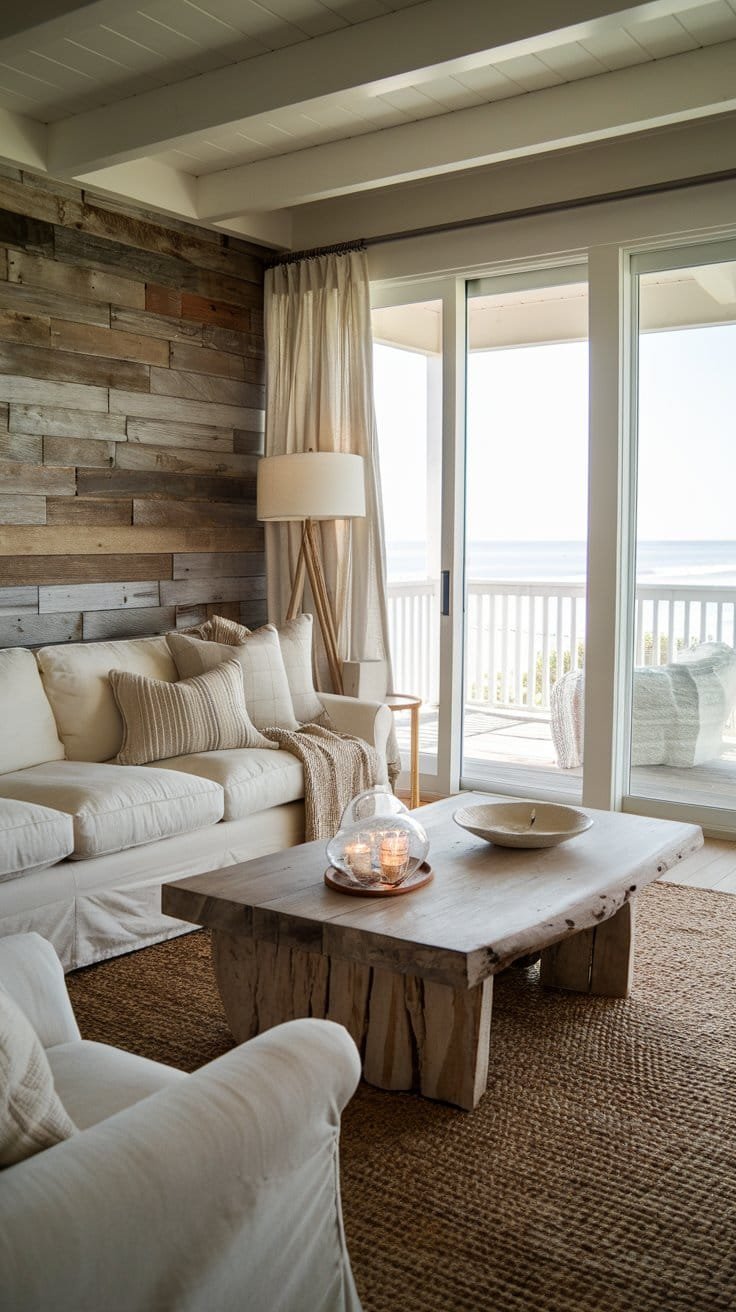
Vacation Vibe Tips for Individuals at Home
If you work from home, small environmental changes go a long way. Set up a dedicated spot with natural light, add a plant or two, and keep a "shutdown ritual", closing the laptop, tidying the desk, stepping outside, to signal the workday is genuinely over. This is the same psychological cue that makes checking out of a hotel feel final.
Vacation Vibe Tips for Teams and Managers
Team-wide habits create the biggest, most lasting shift. The most effective options include:
- Weekly "adventure hour", encourage employees to try something new each week
- Postcard check-ins, share one personal highlight from the week, low effort, high connection
- Flexible start times, autonomy is one of the strongest drivers of workplace happiness
- Leaders modeling boundaries, taking full PTO and logging off sets the tone for everyone else
Did You Know: Global employee engagement fell to just 20% in 2025, its lowest level in years, making small wellbeing habits like these a business priority, not just a perk.
US vs UK: Key Differences to Know
| Factor | US Teams | UK Teams |
|---|---|---|
| Statutory leave | No federal minimum; varies by employer | 28 days statutory minimum (incl. bank holidays) |
| Common barrier | Heavy workload, guilt about time off | Presenteeism culture, always-on email habits |
| Best lever | Manager-modeled boundaries | Formal right-to-disconnect policies |
Common Mistakes to Avoid
- Introducing changes without context, habits feel forced if the "why" isn't explained, share the reasoning first
- One-off gestures instead of routines, a single team lunch won't stick, consistency matters more than size
- No leadership buy-in, boundaries fail fast if managers don't model them themselves
- Copying US habits in UK teams (or vice versa), tailor the approach to local leave norms and culture
Final Thoughts
Vacation vibes don't have to end when the out-of-office reply turns off. Small, consistent habits, protected breaks, clear boundaries, and leaders who model the behavior, keep that sense of rest alive for weeks, not days.
Start with one or two habits from this list, build consistency, then expand, the same approach that works whether your team is based in the US or the UK.
Frequently Asked Questions
How to make my house feel more cozy/like a home?
Focus on warm lighting, soft textiles, and personal touches. Layer lamps instead of relying on overhead light, add throws and cushions in natural fabrics, and display a few meaningful objects like photos or travel finds. Decluttering surfaces and adding a plant or two also helps a space feel calmer and more lived-in.
What's it like to have a second/vacation/getaway home?
A getaway home gives you a fixed retreat to return to without planning a new trip each time, which many owners say deepens their sense of rest and routine. It also comes with trade-offs, maintenance costs, travel time, and upkeep when you're not there, so it works best for people who visit the same region regularly.
What are some tips to create your perfect outdoor space?
Start with how you'll use the space: dining, lounging, or gardening. Add comfortable seating, weather-resistant textiles, and layered lighting like string lights or lanterns for evening use. Bring in greenery through pots or raised beds, and include a shaded area so the space stays usable in full sun.