Walk into a beautifully styled home and you'll almost never find price tags to match the look. Most "expensive-looking" interiors lean on a handful of repeatable tricks, better lighting, smarter color choices, and a few well-placed details, rather than big spending. The good news is that these tricks scale down to any budget.
This guide walks through 10 practical, budget-friendly changes you can make this weekend, whether you're renting a small flat or refreshing a family home. For more styling inspiration once you've got the basics down, browse our full home decoration ideas collection.
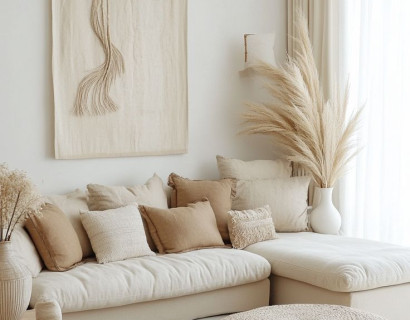
1. Stick to a Tight, Neutral Color Palette
Rooms look expensive when the color story feels intentional, not accidental. Pick two or three core tones, warm white, soft greige, or deep charcoal work well, and repeat them across walls, textiles, and furniture. Mismatched bright colors are one of the fastest ways to make a room read as cluttered and cheap, regardless of how much each piece cost individually.
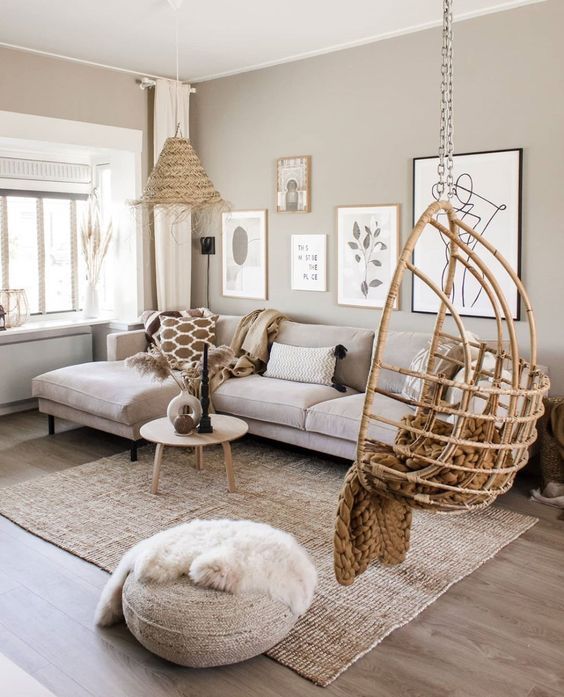
2. Upgrade Your Lighting Layers
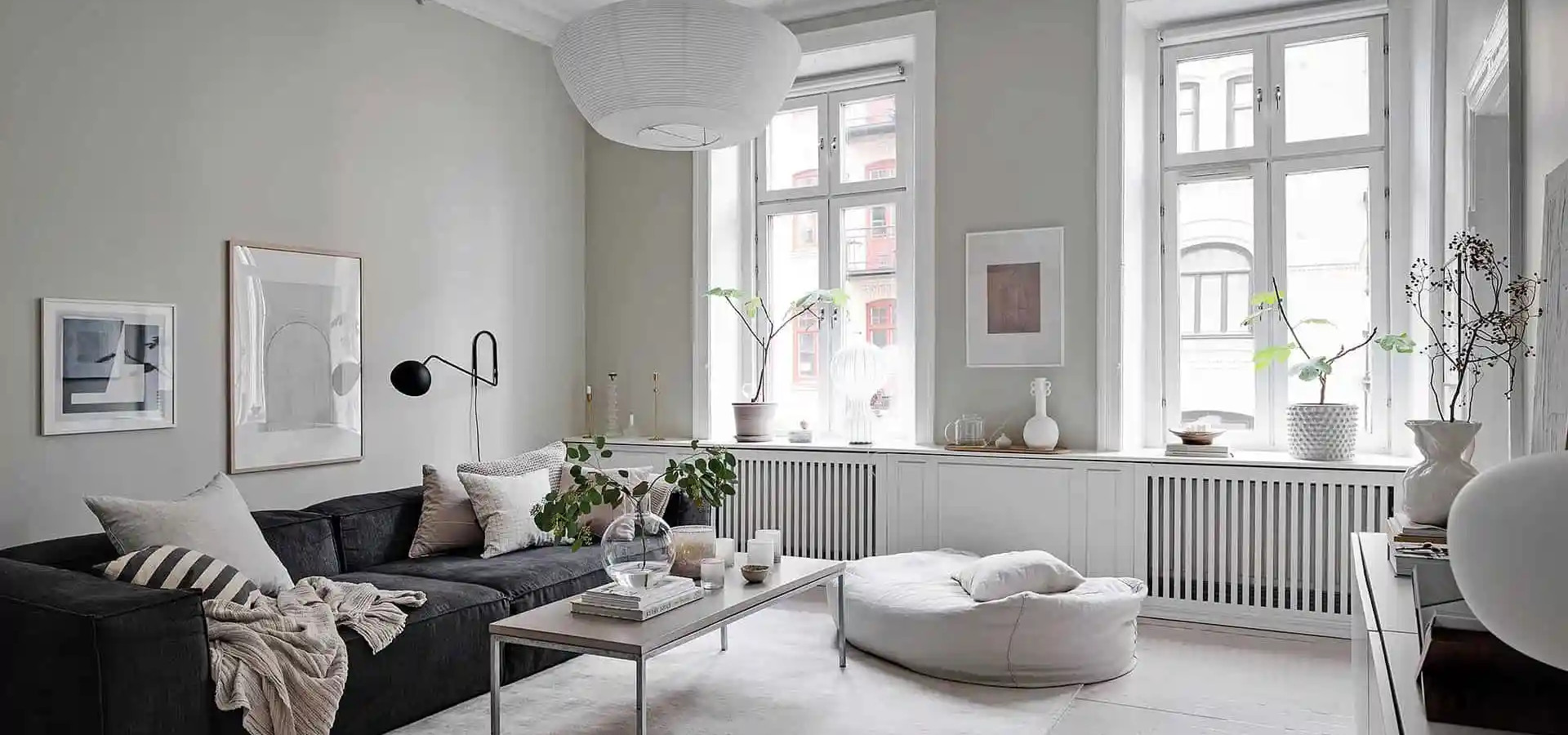
A single overhead bulb is the single biggest giveaway of a budget room. Add at least two additional light sources per room, a floor lamp in a corner, a table lamp near seating, so the space has warm, layered light instead of one harsh source. Swap cool white bulbs for warm white (around 2700K) for an instantly cozier, higher-end feel. For inspiration, take a look at this living room with layered sculptural lighting.
Budget Tip: Secondhand lamps from thrift stores or marketplace apps often just need a new shade or a coat of spray paint to look brand new.
3. Focus on Textures, Not Just Objects
Layer a chunky knit throw, a woven basket, a linen cushion cover, and a wood or rattan tray on the same surface. Mixing two or three natural textures reads as curated and considered, which is exactly the effect higher-end interior designers rely on, without needing a single expensive piece. This Cotswold cottage with layered designer textiles shows the effect at its best.

4. Invest in One Statement Piece Per Room
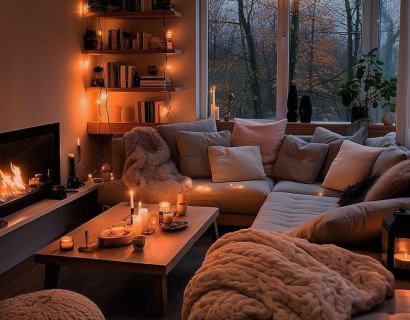
Instead of spreading your budget thin across many small items, put most of it into one piece per room, a large mirror, a sculptural vase, or an oversized piece of wall art. One striking item anchors the whole space and makes everything else around it look more intentional by association. See how shelving and accent lighting work together as a focal point in this cozy living room with wooden shelving.
5. Keep Surfaces Curated, Not Cluttered
Clear off coffee tables, console tables, and countertops until only a few deliberate items remain, a candle, a small stack of books, one plant. Negative space is what makes high-end homes feel calm and expensive; overcrowded surfaces are one of the clearest visual signals of a lower budget, no matter what's actually sitting on them.
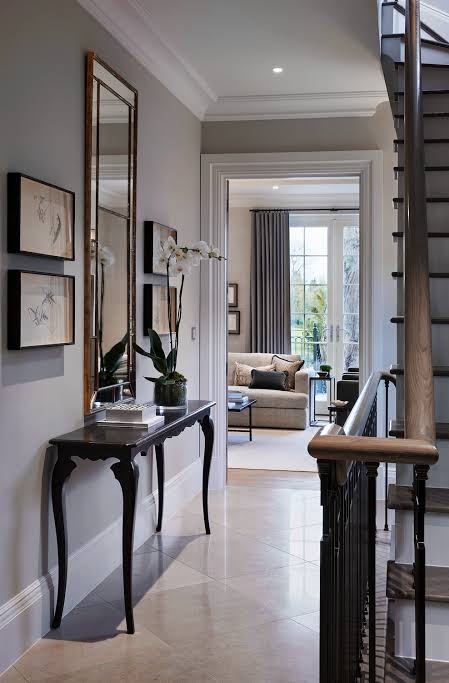
6. Bring In Real (or Realistic) Greenery
A few well-placed plants instantly soften a room and make it feel alive and cared for. Low-maintenance options like snake plants or pothos survive almost any lighting condition. If real plants aren't practical, good-quality faux greenery in a matte ceramic pot works nearly as well, avoid anything shiny or plastic-looking.
7. Swap Hardware and Fixtures First
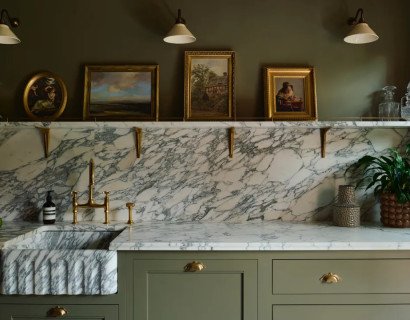
Cabinet handles, light switch covers, and curtain rods are small, cheap upgrades that get touched and noticed constantly. Swapping builder-grade plastic or brass-tone hardware for matte black or brushed metal options is one of the highest-impact, lowest-cost changes you can make in a kitchen or bathroom.
Did You Know: Cabinet hardware swaps are consistently rated among the highest return-on-investment budget renovations, since they change how a whole kitchen feels for the cost of a few screws.
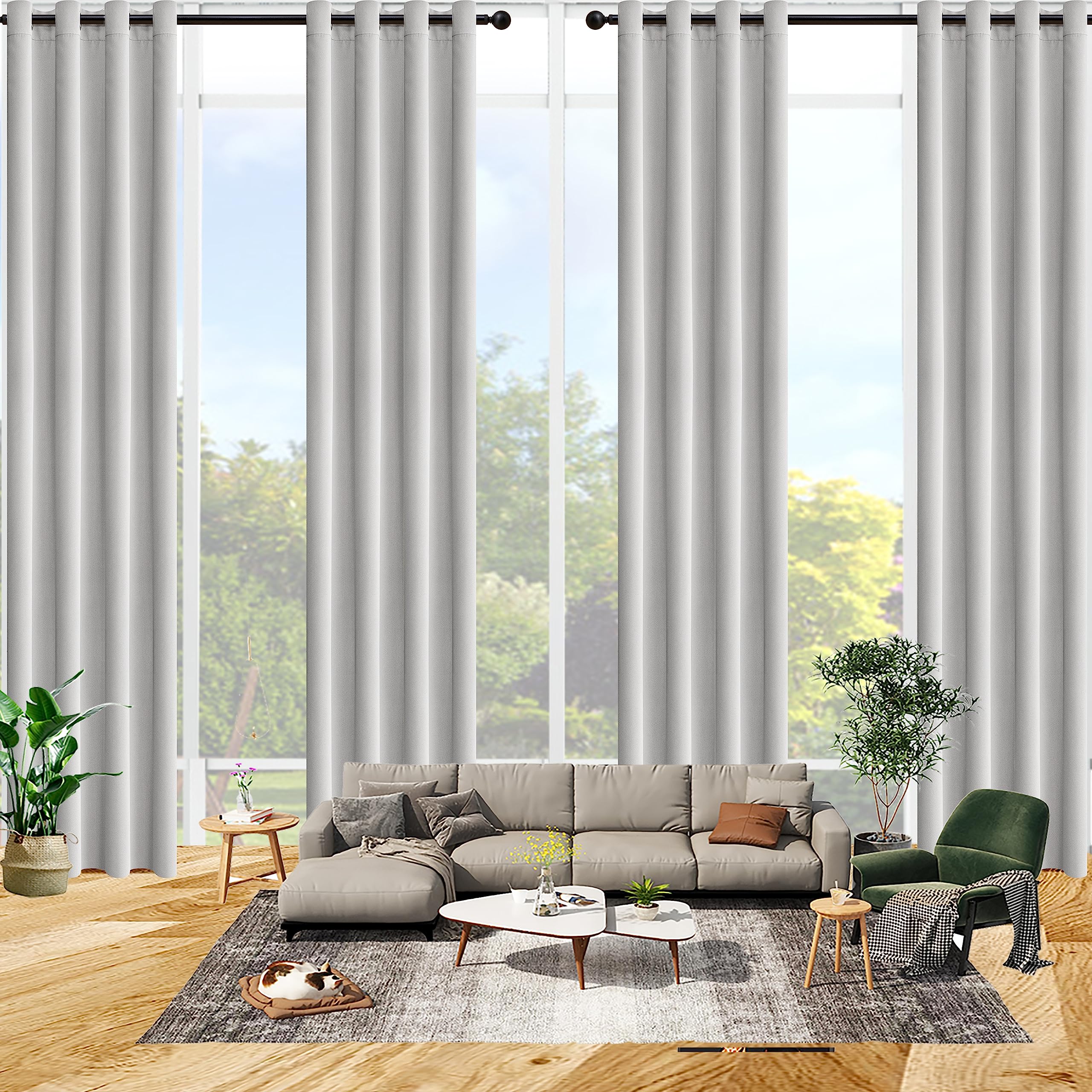
8. Hang Curtains High and Wide
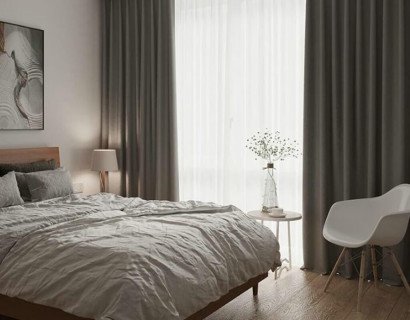
Mount curtain rods a few inches above the window frame and extend them beyond the window's width on each side. This simple trick makes ceilings look taller and windows look larger, a technique borrowed directly from professional stagers and interior designers to make modest rooms feel more grand.
9. Frame and Group Your Wall Art
Unframed posters or single, scattered pictures tend to look unfinished. Choose matching or coordinated frames and group them in a deliberate arrangement, a grid, a gallery wall, or a single large statement frame. The frame matters as much as what's inside it when it comes to a polished, expensive look.
10. Add Scent and Sound to the Room
Luxury spaces are rarely just visual, hotels and high-end homes almost always have a signature scent and ambient sound. A simple reed diffuser or scented candle, paired with soft background music, adds a sensory layer that makes a budget-decorated room feel genuinely upscale the moment someone walks in.
Final Thoughts
Making a home look expensive isn't about how much you spend, it's about intention. A tight color palette, layered lighting, and a few curated details will consistently outperform a room full of random, individually pricier items.
Start with the cheapest fixes first, hardware, lighting, and decluttering, then move on to bigger statement pieces once the fundamentals are in place. You'll be surprised how far a small budget goes when every choice supports the same look.
Frequently Asked Questions
What is the cheapest way to make a home look expensive?
Decluttering surfaces and improving lighting are the two cheapest, highest-impact changes. Both cost little to nothing but immediately change how put-together a room feels.
Does paint color really make a difference?
Yes. A tight, neutral palette reads as intentional and calm, while multiple clashing colors make a space feel busier and cheaper, regardless of the actual cost of the paint or furniture.
Can renters make these changes too?
Most of these tips, lighting, textiles, plants, curtains, and decluttering, require no permanent changes and are fully renter-friendly.
Is it worth replacing cabinet hardware on a budget?
Yes. It's one of the lowest-cost, highest-visibility upgrades available, especially in kitchens and bathrooms where hardware is touched daily.
How many plants should I add to a room?
Two to three well-placed plants of varying heights are usually enough to add life to a room without overcrowding it.