
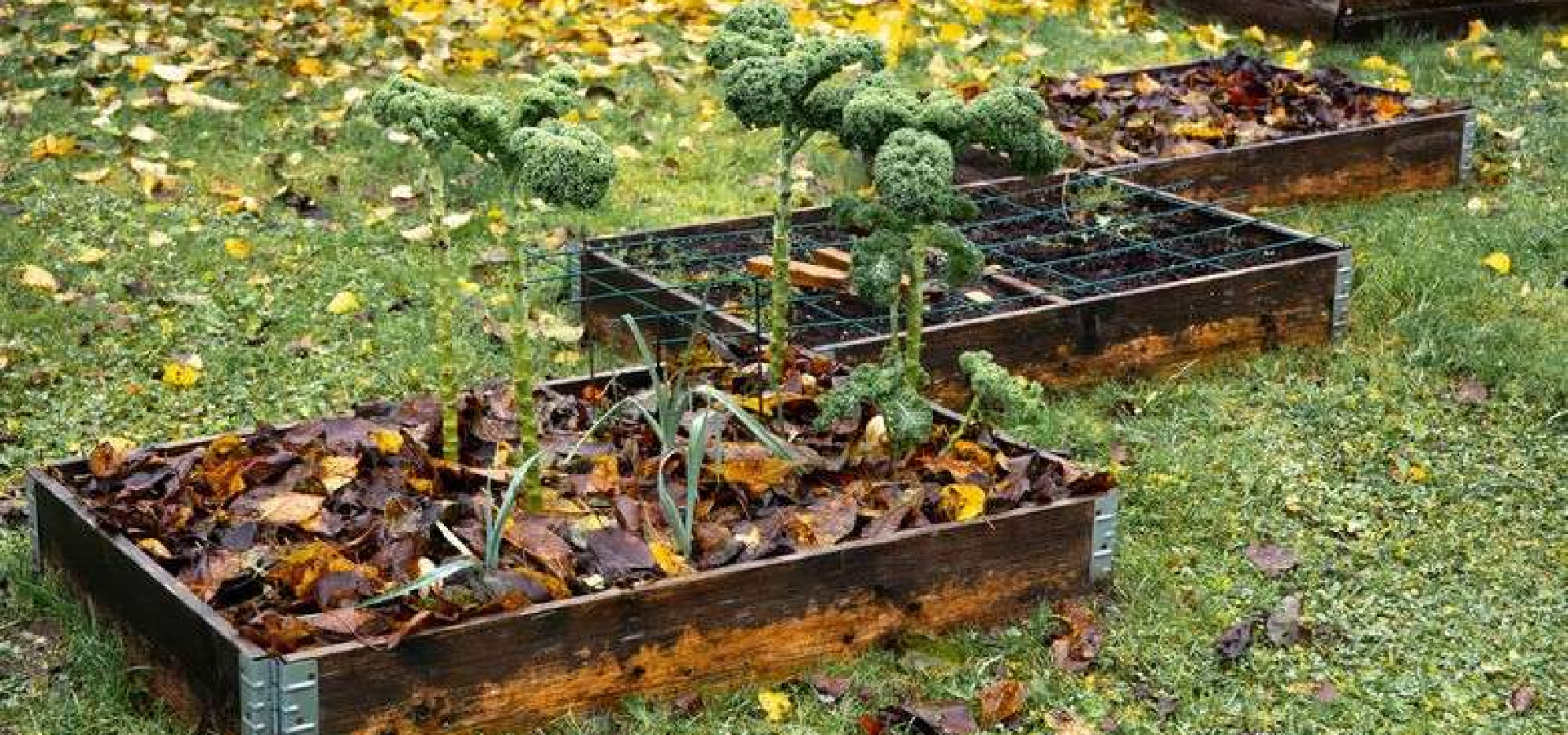
Every year it's the same story: the first hard frost hits earlier than expected, and suddenly you're out in the dark trying to save plants you meant to protect weeks ago. By the time you notice the forecast, half your perennials are already damaged, your hose has split from ice inside it, and your soil is compacted and depleted going into spring.
Winterizing isn't one task, it's a sequence of smaller jobs that need to happen in the right order, starting weeks before the first freeze. This checklist walks through soil prep, plant protection, tool care, and the small details most people forget, whether you're in Minnesota dealing with real snow or the UK managing frost and waterlogging. If you're also working on a low-water bed, our guide to gravel gardens covers how those beds handle winter differently from traditional borders.
When Should You Actually Start?
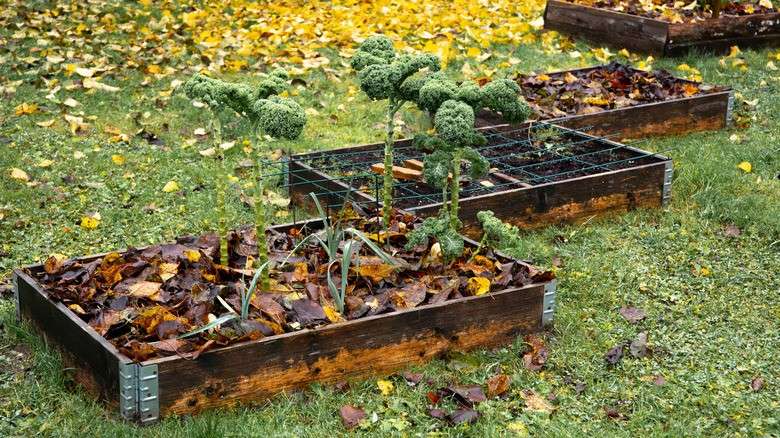
Start winterizing 4 to 6 weeks before your area's average first frost date, not after it. In most of the northern US, that means starting in mid-to-late September. In the UK, where frosts tend to arrive later and less predictably, early-to-mid October is usually the right window. Check your local frost date on a resource like the Old Farmer's Almanac frost date tool and work backward from there rather than waiting for cold weather to force your hand.
Clear Out Spent Annuals and Diseased Foliage
Pull out annuals once they've finished flowering, they won't survive frost anyway, and leaving them in place just gives pests somewhere to overwinter. Cut back any foliage that showed signs of disease this season, powdery mildew, blight, or rust, and throw it in the trash rather than the compost bin, since home compost usually doesn't get hot enough to kill off pathogens.
Leave healthy perennial stems and seed heads standing where you can. Many, like coneflower and ornamental grasses, provide food for birds and shelter for beneficial insects through winter, and cutting everything back to bare soil actually reduces the wildlife value of your garden.
Expert Tip: Leave a 3 to 4 inch stub when cutting back perennials instead of cutting to the ground. Hollow stems become nesting sites for solitary bees the following spring.
Mulch Before the Ground Freezes, Not After
Apply a 2 to 3 inch layer of mulch, shredded bark, straw, or fallen leaves all work, around the base of perennials, shrubs, and trees once the soil has cooled but before it freezes solid. Brands like Scotts make bagged mulch that's easy to grab in bulk if you don't have your own leaf pile ready. This timing matters: mulching too early can trap heat and encourage new growth that then gets killed by frost, while mulching after the ground is already frozen does almost nothing to protect roots.
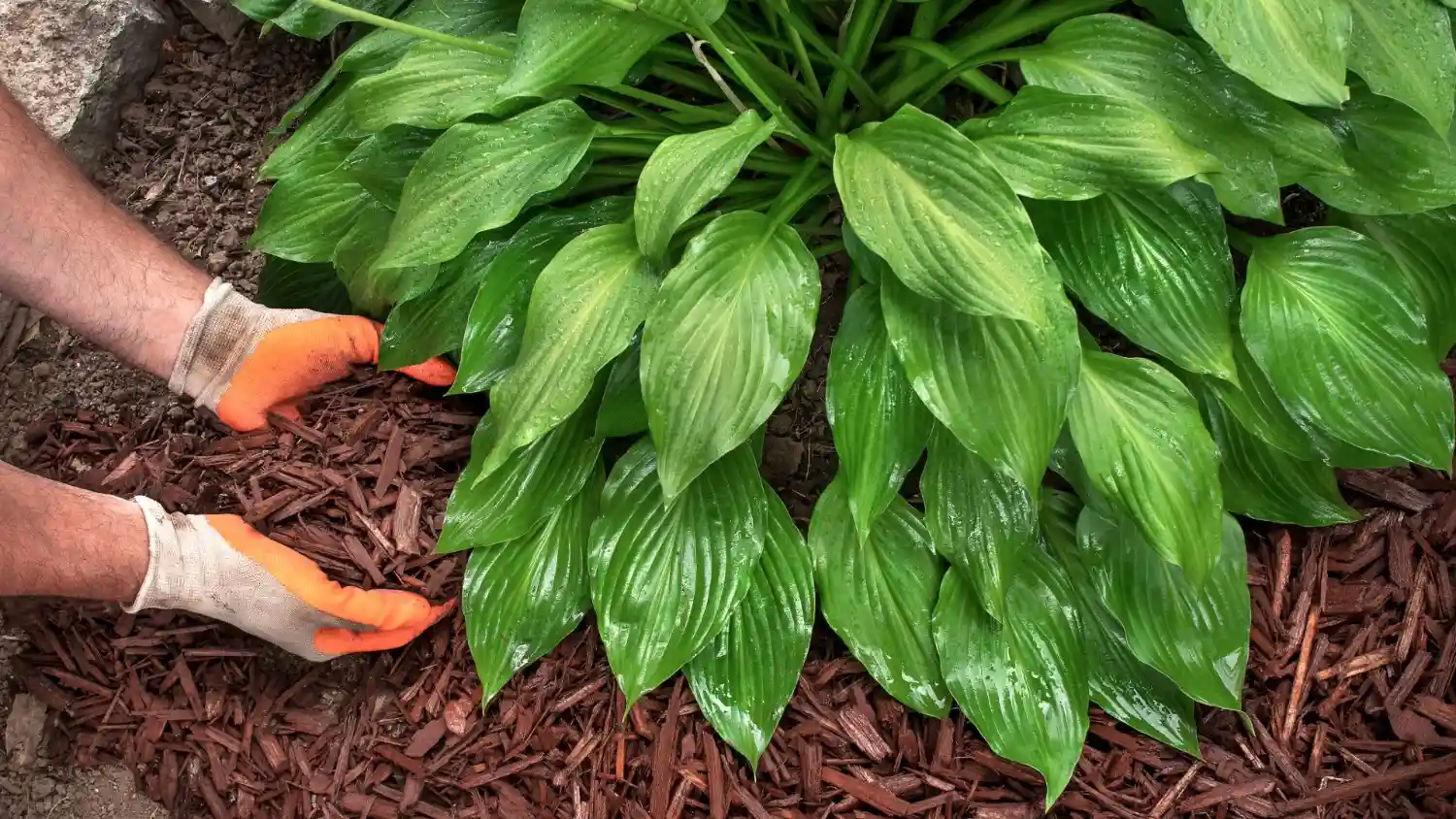
Keep mulch pulled back an inch or two from the base of stems and trunks. Piling it directly against the plant traps moisture against the bark and invites rot and rodents looking for a warm place to nest.
Protect Tender and Marginal Plants
For shrubs that are borderline hardy in your zone, roses, hydrangeas, young evergreens, wrap them in burlap or horticultural fleece once temperatures start dropping into the mid-30s Fahrenheit (around 1-2°C) overnight. Avoid plastic sheeting, it traps condensation and can cause more damage than the cold itself.
Potted plants are more vulnerable than plants in the ground, since roots in containers freeze faster. Move pots against a south-facing wall, group them together, or bring genuinely tender plants indoors or into an unheated garage before the first hard freeze. UK readers dealing with wetter winters may find the RHS's plant protection advice useful for region-specific guidance.
Did You Know: A container's soil can freeze solid at temperatures that barely touch the ground below, since pots have far less insulating mass than open soil.
Drain and Store Hoses, Irrigation, and Outdoor Taps
Disconnect hoses, drain them completely, and coil them for storage indoors or in a shed. Water left inside a hose expands as it freezes and will crack the lining, meaning you're buying a new one every spring, quality hoses from brands like Gardena hold up better long-term but still need proper draining every winter. If you have an irrigation system, blow out the lines with compressed air and shut off the water supply to outdoor taps before the first freeze.
In the UK, where properties often have outdoor stopcocks, insulate exposed pipes with pipe lagging, a cheap and easy step that prevents a burst pipe repair bill running into hundreds of pounds.
Clean and Store Tools Properly
Clean soil and sap off pruners, spades, and shears with warm soapy water, then dry them fully before storing. Wipe metal blades with a light coat of oil to prevent rust over winter, and sharpen anything that's gone dull through the season so it's ready to go come spring rather than sitting in a shed getting worse. If you're due for an upgrade, Fiskars pruners are a reliable, widely available option that hold an edge well between sharpenings.
Give Your Soil One Last Boost
Late autumn is the ideal time to add a layer of compost or well-rotted manure to vegetable beds and borders. Products like Miracle-Gro compost work fine if you don't have your own compost pile ready. Worm activity and freeze-thaw cycles over winter will work it into the soil naturally, so by spring you're planting into noticeably richer ground without having to dig it in yourself.
If you grow vegetables, this is also the point to plant a cover crop like winter rye or clover on empty beds. It prevents erosion, suppresses weeds over winter, and adds organic matter back into the soil when you turn it under in spring. If you're planning a full vegetable bed refresh for next season, check out our related post on low-water bed design for ideas that pair well with a rotating vegetable patch.
Final Thoughts
Winterizing a garden isn't about doing one big job in a single weekend, it's a handful of small, well-timed tasks spread across a few weeks in autumn. Miss the window and you're dealing with frost damage, cracked hoses, and rusted tools instead of a smooth start to spring.
Work through this checklist in order, starting with clearing and mulching, then protection, then tools and irrigation, and you'll walk into spring with healthier soil, intact equipment, and plants that made it through the cold without you having to replace half of them.
Frequently Asked Questions
When is the best time to start winterizing a garden?
Start 4 to 6 weeks before your area's average first frost date. For most of the northern US that's mid-to-late September; for the UK it's usually early-to-mid October.
Should I cut back all my perennials before winter?
No. Cut back diseased or collapsed foliage, but leave healthy stems and seed heads standing where possible. They provide food and shelter for birds and beneficial insects over winter.
How thick should winter mulch be?
Two to three inches is ideal. Keep it pulled back slightly from stems and trunks to avoid trapping moisture against the bark, which can cause rot.
Do I need to bring potted plants indoors for winter?
Tender plants, yes. Hardier potted plants can often survive outdoors if grouped together against a sheltered wall, since container soil freezes faster than ground soil.
What happens if I leave water in my garden hose over winter?
The water will freeze and expand, cracking the hose's inner lining. Drain hoses fully and store them indoors or in a shed before the first hard freeze.
Is it worth adding compost to garden beds in autumn?
Yes. Compost or well-rotted manure added in late autumn gets worked into the soil naturally over winter through worm activity and freeze-thaw cycles, improving soil quality before spring planting.
Should I sharpen my tools before or after winter storage?
Before storage. Clean, dry, and sharpen tools in autumn so they're ready to use immediately in spring rather than sitting unused and dull in a shed all winter.