Most home gardeners let their tomato plants grow however they want, and end up with a tangled green jungle that produces a handful of small, late tomatoes. The plants that actually reward you with baskets of ripe fruit almost always have one thing in common: someone was pruning them all season long. It isn't complicated, and it takes a few minutes a week, but it's the single biggest factor separating a so-so tomato harvest from a genuinely bumper one.
This guide covers exactly when to start, what to cut, and what to leave alone, so your plants put their energy into fruit instead of foliage. Once your tomatoes are sorted, it's worth checking your garden care collection for the rest of your vegetable patch, and if you're planning what to do with the harvest, our home-cooking recipes section has plenty of ways to use fresh tomatoes straight from the vine.
1. Why Pruning Tomatoes Actually Works
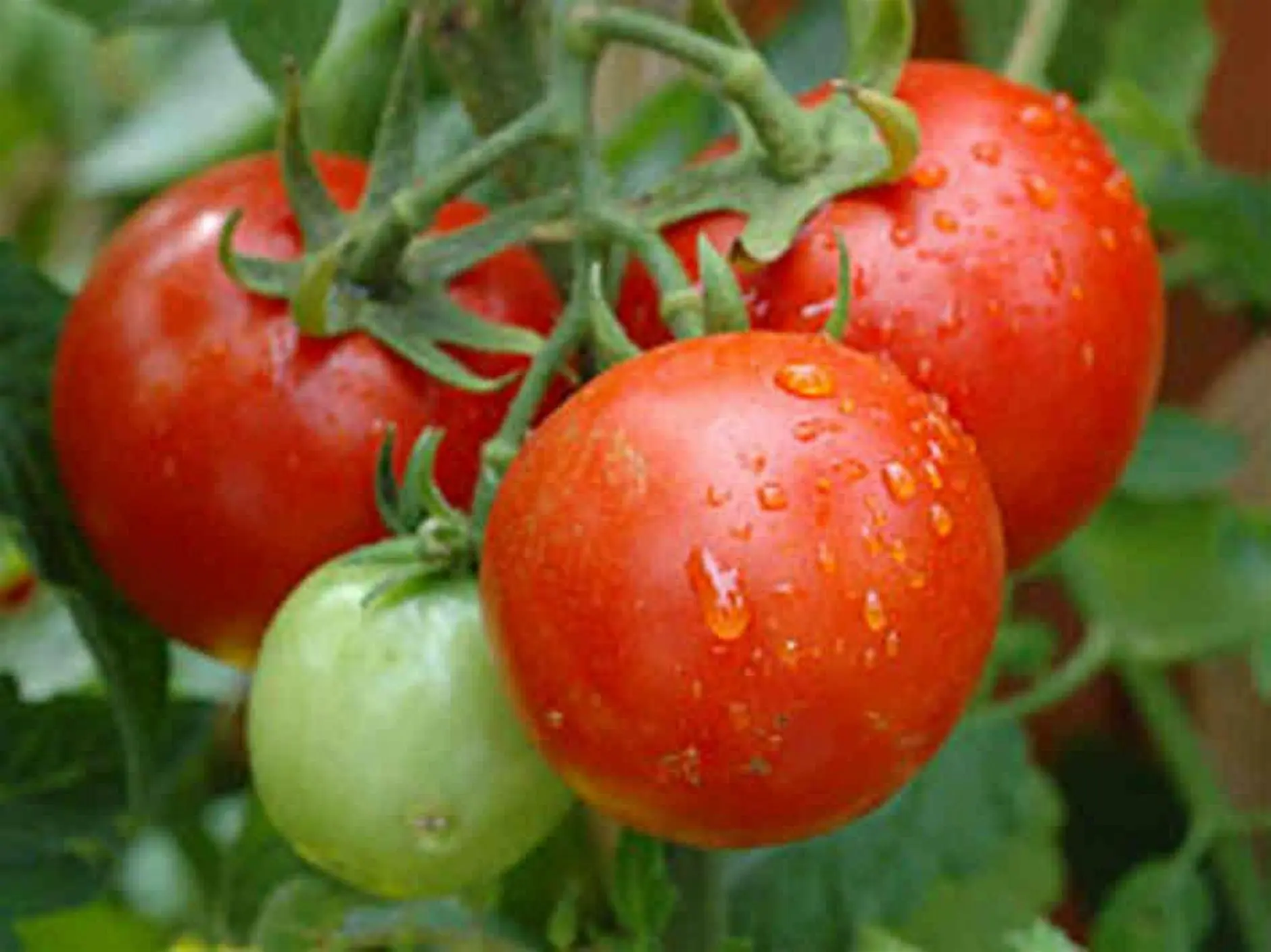
A tomato plant only has so much energy to go around. Every leaf and side stem it grows is competing with the fruit for that same supply of water, sugar, and light. Pruning removes the growth that isn't pulling its weight, so the plant redirects everything into the tomatoes that are already forming. It also opens up the plant to more airflow and sunlight, which speeds up ripening and cuts down on fungal problems like blight, both common culprits behind a disappointing harvest.
2. Know Your Tomato Type First
Before you cut anything, check the plant tag or seed packet. Indeterminate tomatoes (most cherry and beefsteak varieties) keep growing and producing all season, and benefit the most from regular pruning. Determinate tomatoes (many paste and bush varieties) grow to a fixed size, set fruit all at once, and should only be pruned lightly, since removing too much growth can actually reduce your yield rather than boost it. The University of Minnesota Extension has a helpful breakdown of which common varieties fall into each category.
3. The Right Time to Start Pruning
Start once the plant is established, usually around two to three weeks after transplanting, when it's roughly a foot tall and has a handful of true leaves. Early pruning shapes how the plant grows for the rest of the season, so it's worth getting into the habit early rather than trying to fix an overgrown plant in midsummer.
Garden Tip: Prune in the morning on a dry day. Wounds close faster in the morning sun, and dry foliage lowers the risk of spreading disease between plants.
4. How to Identify and Remove Suckers
Suckers are the small shoots that sprout in the V-shaped joint between the main stem and a branch. Left alone, each one grows into a full new stem, splitting the plant's energy further with every one you leave. Pinch suckers off with your fingers while they're still small and tender, ideally under three inches long, so the plant barely notices the loss.
5. Prune the Lower Leaves Too
Once the plant is knee-high, remove the leaves and small branches on the bottom 6 to 8 inches of the stem. These lower leaves rarely get enough sun to be useful, and they're the ones most likely to touch the soil and pick up fungal spores during watering or rain, which then travel upward through the rest of the plant.
6. Topping the Plant Late in the Season
About four to six weeks before your first expected frost, cut off the growing tip at the top of each main stem. This is called topping, and it tells the plant to stop putting out new flowers and stems, so it channels its remaining energy into ripening the fruit already on the vine instead of starting fruit that won't have time to mature. The Royal Horticultural Society recommends checking your local first-frost date before deciding exactly when to top your plants.
Did You Know: Topping can shave several days off ripening time for the fruit that's already set, which matters a lot in short growing seasons.
7. Use Clean Tools, and Know When to Use Your Fingers
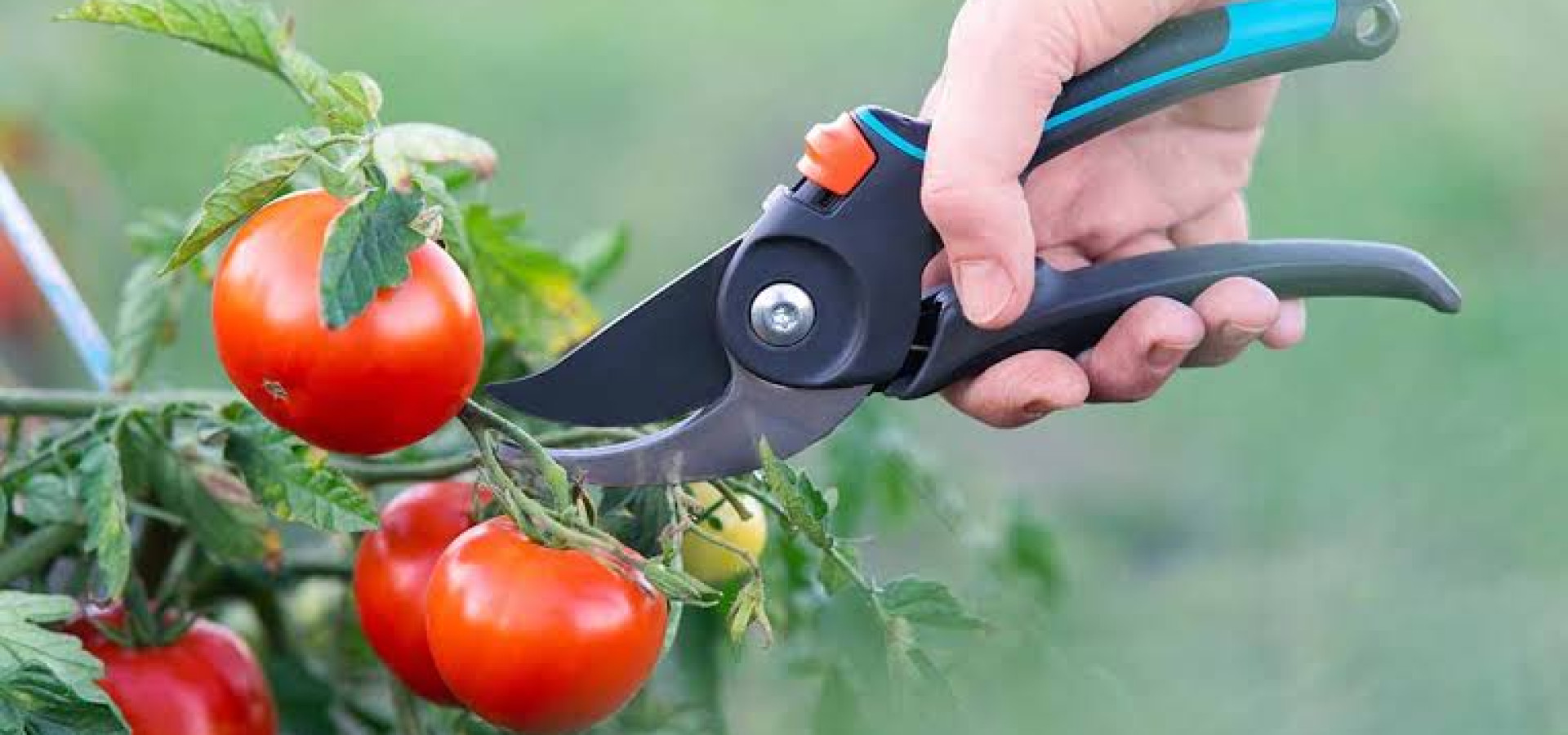
Small, young suckers can be pinched off cleanly with your fingers. For thicker stems, use sharp, clean pruning shears rather than tearing at the growth, since a rough tear leaves a larger wound that takes longer to heal. Wipe your blades with rubbing alcohol between plants to avoid spreading disease from one to the next.
8. Support Your Plant As You Prune
A pruned tomato plant grows taller and heavier per stem instead of bushing out, so it needs sturdy support. Stake or cage the plant early, and tie the main stems loosely as they grow, checking every week or two so the ties don't cut into the stem as it thickens. If you're setting up your vegetable patch from scratch this year, see our guide to building raised beds and garden structures for support ideas that last more than one season.
9. Common Pruning Mistakes to Avoid
The most common mistake is over-pruning determinate varieties, which cuts into your total yield instead of boosting it. A close second is pruning during wet weather, which spreads disease through open wounds, a risk the Cornell Vegetable Growing Guide also flags as a leading cause of early blight in home gardens. And it's easy to let suckers get away from you for a week or two, at which point removing a large one creates a bigger wound and stresses the plant more than a series of small snips would have.
10. Post-Pruning Care
After a pruning session, give the plant a deep watering at the base, avoiding the leaves, to help it recover. Keep an eye on the wounds for the next few days, and mulch around the base if you haven't already, since consistent soil moisture reduces the stress that pruning briefly puts on the plant.
Final Thoughts
Pruning tomatoes isn't about being aggressive, it's about being consistent. A few minutes of pinching suckers and clearing lower leaves each week does more for your harvest than any fertilizer or feeding schedule can on its own.
Start with the basics, suckers and lower leaves, then add topping once the season winds down. Match your approach to whether you're growing determinate or indeterminate varieties, and you'll notice bigger, earlier, and more reliable tomatoes by the end of the season.
Frequently Asked Questions
Should I prune determinate tomato plants?
Only lightly. Removing lower leaves for airflow is fine, but heavy sucker removal can reduce your total yield since determinate plants set most of their fruit in one flush.
How often should I prune tomato plants?
Check for new suckers about once a week during peak growing season. Catching them small makes each pruning session quick and low-stress for the plant.
What happens if I don't prune my tomato plants at all?
The plant will still fruit, but you'll likely see more foliage, smaller and later tomatoes, and a higher risk of fungal disease due to poor airflow.
Can I prune tomato plants once they already have flowers?
Yes. Continue removing suckers and lower leaves as usual, just avoid cutting any stem that's already carrying flowers or fruit.
Is it too late to prune if my tomato plant is already overgrown?
No, but go gradually. Remove a portion of the excess growth over two or three sessions rather than cutting it all back at once, which can shock the plant.