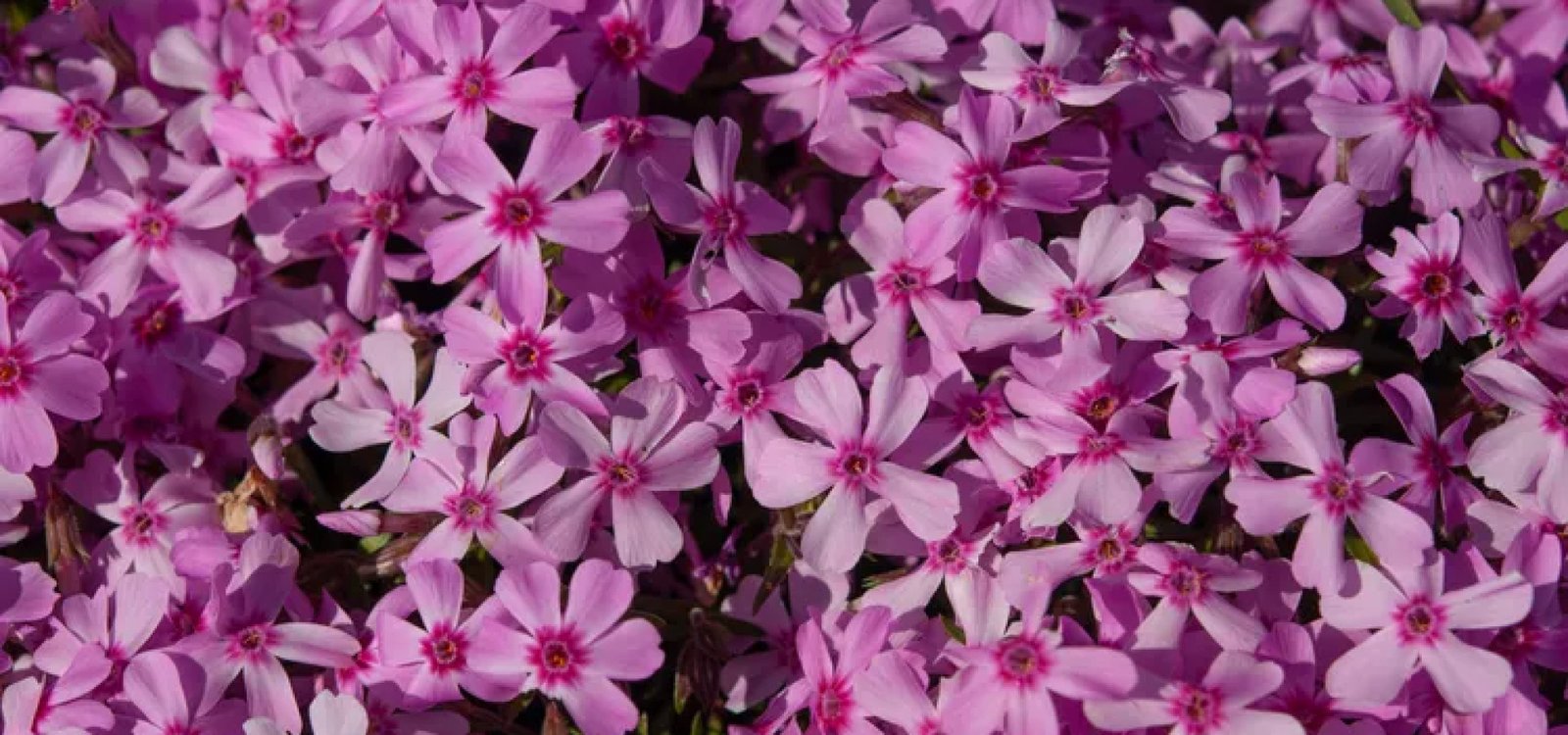
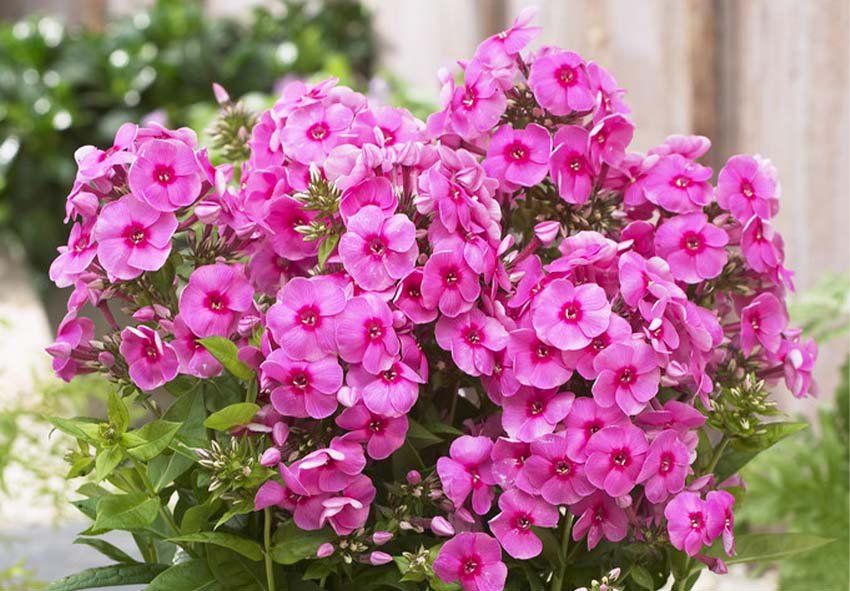
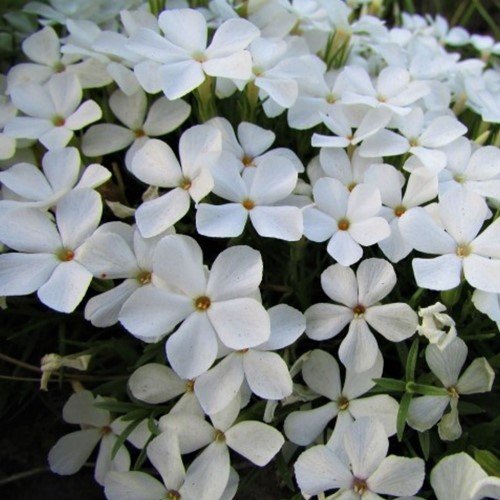
Creeping phlox (Phlox subulata and Phlox stolonifera) is one of the most reliable flowering ground covers you can plant along a border, slope, or rock wall. It forms a dense, needle-leaved mat that erupts into pink, purple, blue, or white blooms each spring, then holds its shape as a tidy green carpet for the rest of the year. This guide covers everything a homeowner, landscaper, or garden team in the US or UK needs to plant, size, and care for creeping phlox correctly.
Rather than pointing you to one nursery's current stock, which rotates and goes out of season within months, this guide focuses on the sun, soil, and spacing rules professional growers actually use, so you can succeed with any creeping phlox you find locally.
Quick Answer
Plant creeping phlox in full sun to light shade, in well-drained soil, spacing plants 15 to 18 inches apart. It thrives in USDA zones 3 to 9, tolerates drought once established, and needs only an occasional post-bloom trim to stay dense and healthy.
What Is Creeping Phlox?
Creeping phlox is a low, spreading perennial that grows 4 to 6 inches tall and spreads 2 feet or more via trailing stems. Two types come up most often in garden centers, and knowing the difference helps you match the right one to your site instead of guessing from a plant tag alone.
Terminology Note: "Moss phlox" and "creeping phlox" both commonly refer to Phlox subulata, while Phlox stolonifera is sometimes sold simply as "woodland phlox." Garden centers in the US and UK use these names interchangeably, so check the botanical name if sun exposure matters for your site.
Key Terms to Know
- Phlox subulata (moss phlox): needle-like foliage, loves full sun, hardy in zones 3-9
- Phlox stolonifera: rounder leaves, prefers partial shade, hardy in zones 5-9
- Mat/carpet growth: low, spreading habit that roots along trailing stems
- Shearing: cutting stems back by about half after bloom to encourage density
- Stolons: horizontal stems that root as they spread, giving the plant its "creeping" habit
What Factors Should I Consider Before Planting Creeping Phlox?
Match the Variety to Your Light
Full sun to partial shade suits most creeping phlox, but planting in an overly shady spot slows growth and mutes flower color. Choose P. subulata for sunny slopes and walls, and P. stolonifera for shadier beds under open trees.
Check Your Soil Drainage Before Buying
- Heavy clay soil: amend generously with compost or coarse grit before planting
- Loamy, well-drained soil: ideal as-is, needs minimal amendment
- Slopes and banks: naturally well-drained and a strong fit for erosion control
The five factors that matter most before planting are sun exposure, soil drainage, USDA hardiness zone, spacing for airflow, and how the plant will be used (border edge, slope, rock wall, or container spill-over). Poor drainage chosen for looks rather than site conditions is one of the most common causes of root rot reported by home gardeners.
| Garden Spot | Recommended Variety | Why |
|---|---|---|
| Sunny slope or bank | Phlox subulata | Full sun, helps control erosion |
| Shaded woodland bed | Phlox stolonifera | Tolerates lower light |
| Rock garden or wall | Phlox subulata | Cascades naturally over edges |
| Container or hanging spill-over | Either variety | Trails attractively over edges |
| Under black walnut trees | Either variety | Tolerant of juglone toxicity |
Pros and Cons of Creeping Phlox as Ground Cover
Overall Pros
Pros:
- Extremely low-maintenance once established
- Long-lived perennial that returns every year
- Vivid spring color that draws early pollinators
- Good for erosion control on slopes and banks
- Drought- and deer-resistant
Cons:
- Spreads aggressively and can crowd neighboring plants
- Susceptible to spider mites in hot, dry conditions
- Prone to root rot in poorly drained soil
- Foliage can look sparse outside of bloom season
Tips for Planting and Spacing Creeping Phlox
Proper spacing at planting time is the single biggest factor in how quickly your border fills in and how well the plants resist mildew and mites.
Step-by-Step Planting
- Choose a site with full sun to partial shade based on your variety
- Loosen the top 2 to 4 inches of soil and remove weeds and debris
- Amend heavy or clay soil with compost to improve drainage
- Space plants 15 to 18 inches apart in staggered rows
- Set each plant so the top of the root ball sits level with the ground
- Water thoroughly to settle the soil around the roots
- Mulch lightly to retain moisture and moderate soil temperature
- Fertilize once per year at most, avoiding rich or heavily fertilized soil
Common Mistakes to Avoid: Planting too closely together limits airflow and increases mite and mildew risk. Overly rich soil pushes leafy growth at the expense of flowers. Waterlogged spring soil is a leading cause of root rot in creeping phlox.
How Do You Keep Creeping Phlox Blooming All Season?
A widely used technique among growers is to shear the plant back by about half immediately after its main spring bloom. This keeps the mat dense, prevents woody bare patches from forming in the center, and can trigger a second, lighter flush of flowers later in the season.
- After spring bloom: shear stems back by roughly half
- Every 2-3 years: divide congested clumps to renew vigor
- Hot, humid summers: check regularly for spider mites and treat early
Watering matters too. Check soil moisture with a finger test before watering again — established plants are drought-tolerant and rarely need supplemental water beyond dry spells.
What Are Some Ways to Use Creeping Phlox in a Garden?
- Cascade it over stone walls and raised beds for a spilling, textured look
- Underplant spring bulbs so phlox fills in as bulb foliage fades
- Use it to stabilize soil on slopes and banks prone to erosion
- Edge pathways and borders for a low, colorful frame
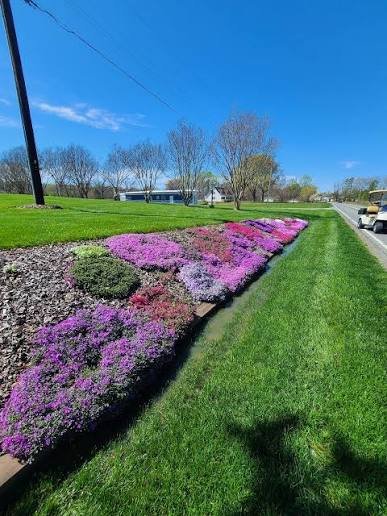
- Combine varieties for a multi-color "flame" effect across a hillside
- Let it trail from containers or raised planters for a cascading display
Key Takeaways
- Match the variety to your light: subulata for sun, stolonifera for shade
- Space plants 15 to 18 inches apart for airflow and mildew prevention
- Well-drained soil is essential; waterlogged soil causes root rot
- Shear after bloom for density and a possible second flush
- Drought- and deer-resistant once established, hardy in USDA zones 3-9
- Divide every 2-3 years to renew vigor and create free plants
Frequently Asked Questions
What perennials are easy to grow in Chicago?
Chicago sits mainly in USDA zones 5b to 6a, where winters and summers swing between harsh extremes. Native perennials like purple coneflower, black-eyed Susan, and wild bergamot tolerate those conditions well and need minimal care once established. Catmint and daylilies are also popular low-maintenance choices for the region.
What are the best perennial outdoor carpet plants?
Creeping phlox is one of the top choices for a flowering "carpet," along with creeping thyme and ajuga. For shadier spots, liriope is often used as a groundcover under trees and shrubs, producing spikes of purple, white, or pink flowers while resisting deer browsing.
How long does it take creeping phlox to spread and fill in?
Most gardeners see full coverage within about two growing seasons after planting, assuming proper spacing and drainage.
Does creeping phlox need to be divided?
Yes, dividing every few years helps maintain vigor and gives you free plants for other parts of the garden. Divide in early spring or fall.
Is creeping phlox invasive?
No, it spreads by rooting stems rather than seed dispersal, so it stays where you plant it, though it will fill in adjacent open ground over time.
Conclusion
Creeping phlox delivers one of the best returns on effort in the perennial world. Plant it once in the right spot, and it rewards you with a self-sustaining carpet of spring color for years. Matching sun exposure to your chosen variety, giving it well-drained soil and proper spacing, and shearing lightly after bloom is the single most reliable way to get a vibrant, low-care border all season.
Summary:
- Full sun to light shade, well-drained soil, USDA zones 3-9
- Space plants 15-18 inches apart; full coverage in about 2 seasons
- Shear after bloom for density and a possible second flush
- Drought- and deer-resistant once established
- Watch for spider mites and root rot in soggy conditions
- Divide every 2-3 years to keep clumps vigorous