Snakes turning up in your garden is unsettling, and a quick online search will point you toward marigolds, lemongrass, and "snake plants" as an easy fix. But do these plants actually keep snakes away, or is this gardening folklore? This guide breaks down the science, the most-cited plant options, and what genuinely reduces snake activity around your home, for readers in both the US and UK.
Quick Answer: No plant has been scientifically proven to reliably repel snakes. Strongly scented plants like marigolds, lemongrass, garlic, and mugwort are commonly recommended because snakes rely heavily on smell, but independent research on scent-based plant repellents is thin. The most effective approach combines habitat modification, cutting cover, removing debris, managing rodents, with these plants as a supporting layer, not a standalone solution.
What Is a "Snake Repellent Plant"?
A snake repellent plant is any plant believed to discourage snakes from entering an area, typically through strong scent, prickly texture, or by reducing hiding spots and prey. The theory rests on the idea that snakes have an extraordinary sense of smell, even though they lack a nose in the human sense, making certain aromatic compounds unpleasant to them.
Why the Idea Persists
Much of the appeal comes down to convenience and safety. Unlike chemical repellents, plants offer a natural, eco-friendly option that avoids traps or chemicals, which many consider safer around pets and children. That doesn't mean the effect is proven, it means the idea is attractive.
Popular Plants People Use as Snake Deterrents
| Plant | Claimed Mechanism | Evidence Level |
|---|---|---|
| Marigold (Tagetes) | Strong scent containing thiophene compounds | Anecdotal |
| Lemongrass | Citronella oil, citrus scent | Anecdotal; better for insects |
| Snake plant (Sansevieria) | Sharp, pointed leaves | Largely a myth |
| Garlic & society garlic (Allium) | Pungent sulfur compounds | Anecdotal |
| Mugwort / Wormwood | Bitter, strong-scented foliage | Anecdotal |
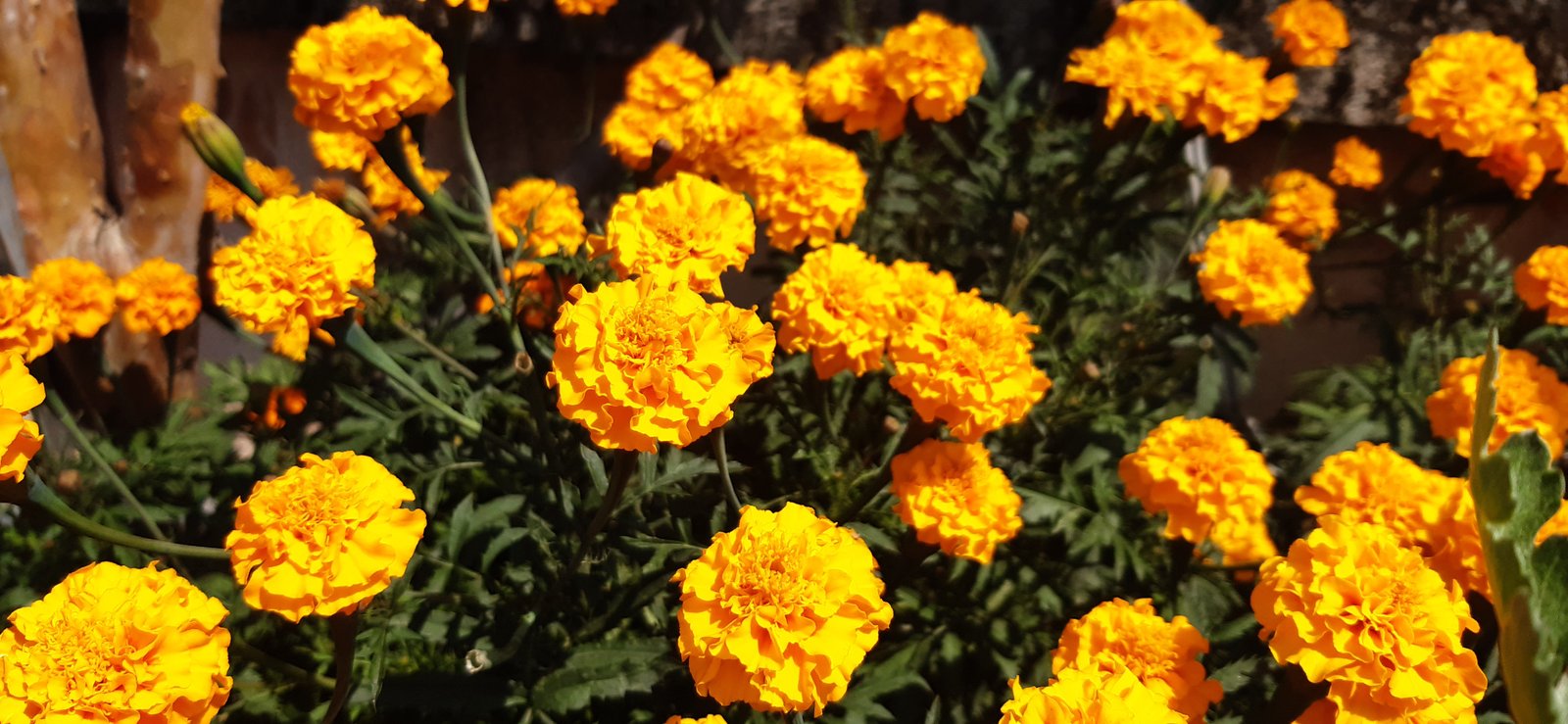
Marigold (Tagetes) in bloom — Wikimedia Commons
Marigolds
Research on marigolds as snake repellents is still emerging, though gardeners point to compounds like thiophene as a possible factor in the scent's effect on reptiles. They're low-maintenance, pest-deterring, and add color, worthwhile in a border regardless of snake outcomes.
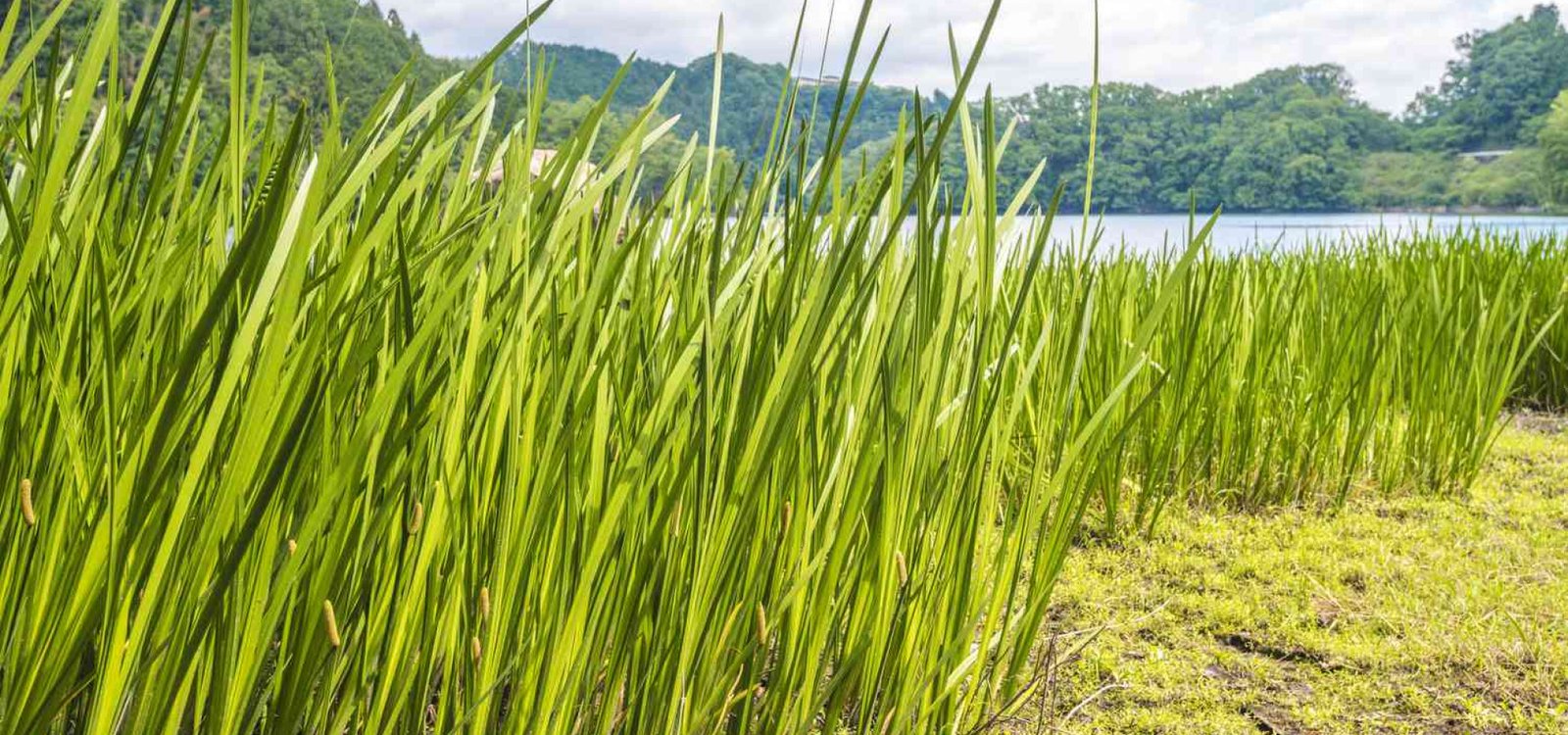
Lemongrass
Lemongrass is often recommended for its citronella content. However, it's unclear whether this has any direct effect on snakes, though its dense, clumping growth habit reduces hiding spots, which matters more than the scent itself.
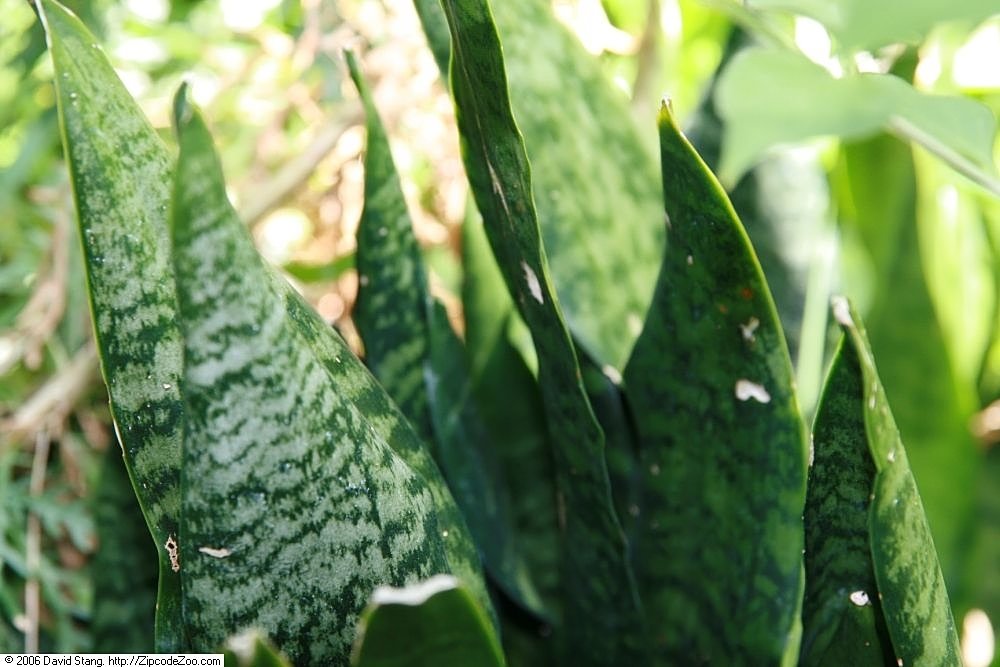
Sansevieria trifasciata (snake plant) — Wikimedia Commons
Snake Plant (Sansevieria)
This is the most misunderstood entry on any list. Sansevieria has zero documented effect on snakes, the common name refers only to the shape of its leaves, not any deterrent property. Skip it if snake control is your actual goal; keep it if you just want a low-light houseplant.
Garlic and Mugwort
Society garlic and mugwort are frequently cited for their pungent, strongly scented foliage, which some gardeners believe snakes avoid. As with the others, this is observational rather than clinically tested.
Expert Tip: If a plant's scent is strong enough for you to notice from several feet away, it's likely still too localized to affect a snake moving through the yard. Treat scented plants as garden décor first, deterrent second.
Do Snake Repellent Plants Really Work? A Field-Level View
Herpetologists generally agree that snakes are drawn to a location, not repelled by one plant. Ground cover density and texture matter far more than scent: thick mulch, tall grass over four inches, brush piles, and stacked firewood create ideal concealment, while gravel paths, short-mown turf, and bare soil near foundations discourage snakes from lingering.
Temperature also plays a role. Snakes seek sun-warmed surfaces like stone walls and concrete for basking, and cool, moist refuges such as decks or rock piles for cooling down, factors no flower bed can override.
Step-by-Step: Building a Snake-Resistant Yard
- Cut cover, not just grass. Mow regularly and keep grass under two inches near the house
- Clear debris. Remove brush piles, leaf litter, and stacked wood away from the foundation
- Swap deep mulch for gravel within two feet of the house perimeter
- Control rodents. Snakes follow food; a rodent problem is often the real driver of sightings
- Plant scented borders (marigold, lemongrass, garlic) as a secondary layer, not a primary defense
- Seal gaps under decks, sheds, and foundations where snakes shelter
- Install a barrier, a smooth 24-inch fence buried several inches deep, for high-risk properties
Pros and Cons of Using Plants as Snake Deterrents
| Approach | Pros | Cons |
|---|---|---|
| Scented plant borders | Natural, non-toxic, safe around pets and children; adds garden value; some also deter insects | No proven or guaranteed effect; scent only reaches a couple of feet |
| Habitat + barrier management | Addresses the actual drivers of snake activity; longer-lasting results | Takes more upfront labor and maintenance |
What to Avoid
Mothball use outdoors as a snake repellent is against federal label law in the US, and naphthalene is toxic to children, pets, wildlife, and soil while showing essentially no evidence of deterring snakes. Commercial "snake repellent" granules, ultrasonic devices, and sulfur products lack scientific validation and can harm soil, pollinators, or pets. Skip these regardless of marketing claims.
Key Takeaways:
- No plant is a scientifically proven snake repellent
- Marigold, lemongrass, garlic, and mugwort are the most commonly cited options, based on anecdotal evidence
- Sansevieria ("snake plant") has no real effect on snakes despite its name
- Habitat management, cutting cover, clearing debris, controlling rodents, matters more than any plant
- Avoid mothballs, sulfur, and ultrasonic devices; they're ineffective and can be harmful
- Use scented plants as a supplementary layer alongside structural changes, not a replacement
Frequently Asked Questions
Do snake repellent plants actually keep snakes away?
Not reliably on their own. They may make an area marginally less inviting, but habitat and food source management have far more impact.
What is the best plant to keep snakes out of a garden?
There's no single best plant, but marigold, lemongrass, and garlic are the most frequently recommended based on scent theory, best used alongside yard maintenance.
Does the snake plant (Sansevieria) repel snakes?
No. Despite the name, it has no documented deterrent effect on snakes; the name refers to its leaf pattern.
Are mothballs effective at repelling snakes?
No. They're not effective, and outdoor use as a repellent is against label law in the US due to toxicity concerns.
What's more effective than plants for keeping snakes away?
Removing hiding spots (brush, deep mulch, firewood piles), controlling rodents, mowing grass short, and installing a solid fence buried below ground level.
Conclusion
Snake repellent plants are a low-risk, garden-friendly addition, but they aren't a substitute for real snake-proofing. The strongest results come from combining a tidy, exposed yard with rodent control and physical barriers, plants like marigold and lemongrass can complement that effort, not replace it.