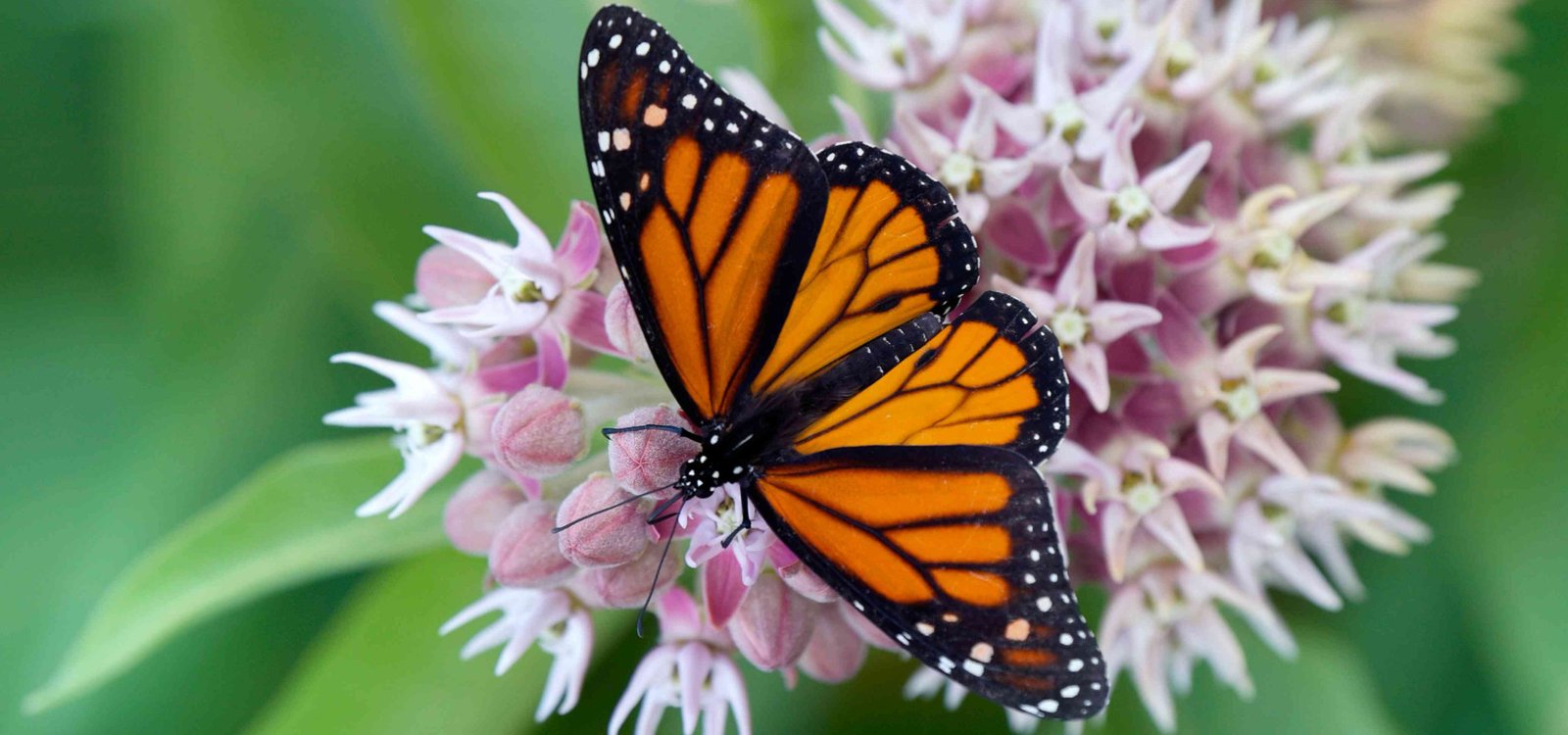
Butterflies are disappearing faster than most gardeners realize. Western monarch counts in the US have fallen from millions in the 1980s to just over 9,000 in the 2024–2025 season, and roughly three-quarters of butterfly species in the UK are in decline. The single most effective thing a home gardener can do about it is plant the right butterflies flowers — nectar-rich blooms that feed adults and, in many cases, host plants that feed caterpillars.
This guide covers what butterfly flowers actually are, how to choose and plant them, and which species work best on both sides of the Atlantic, whether you're gardening for beauty, biodiversity, or both.
Quick Answer
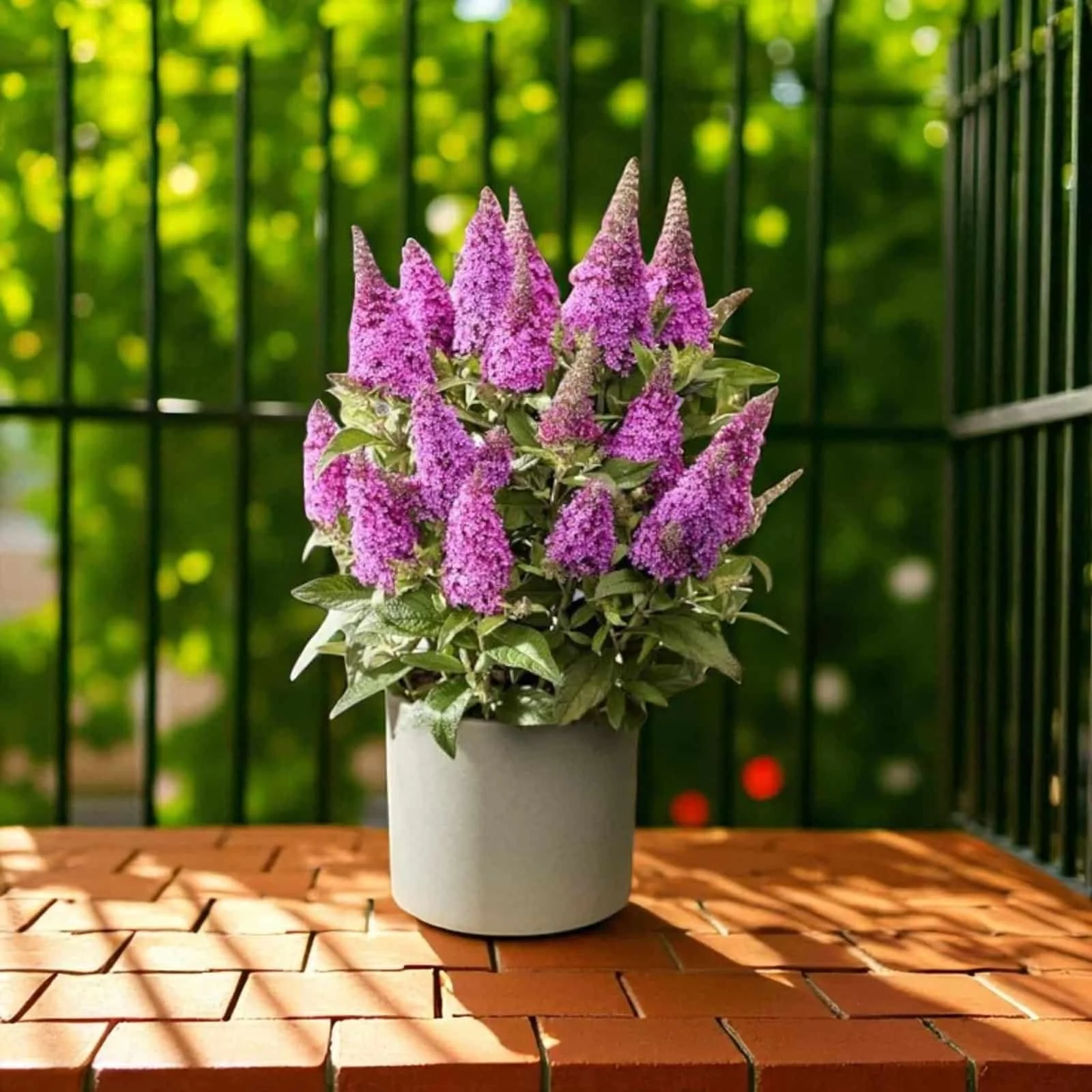
Butterfly flowers are nectar-rich, brightly colored blooms — such as buddleia, lavender, milkweed, coneflower, and verbena — planted in sunny, sheltered spots to attract adult butterflies and, for some species, support caterpillar development. For best results, plant in sunny clusters, choose native species where possible, avoid pesticides, and provide continuous blooms from spring through autumn.
What Are Butterfly Flowers?
"Butterfly flowers" is a shorthand term for flowering plants that supply nectar — the sugary liquid butterflies feed on — in a form they can easily reach. Butterflies have long, coiled mouthparts called a proboscis, so they favor flat-topped or clustered blooms with shallow nectar wells, like buddleia, verbena, and daisies, over deep tubular flowers built for hummingbirds or moths.
Terminology Note: Gardeners often use "nectar plants" and "host plants" interchangeably, but they serve different jobs. Nectar plants feed adult butterflies. Host plants are where females lay eggs and where caterpillars feed. A complete butterfly garden needs both.
Key Terms to Know
- Nectar plant: Flower that feeds adult butterflies (e.g., buddleia, lavender, sedum)
- Host plant: Plant where caterpillars feed and eggs are laid (e.g., milkweed, nettles)
- Proboscis: The butterfly's coiled, straw-like feeding tube
- Overwintering site: Sheltered spot where adults or chrysalises survive winter
- Native species: Plants naturally occurring in a region, often best matched to local butterflies
Why Butterfly Flowers Matter
Butterflies are pollinators and an indicator species — their presence, or absence, reflects overall ecosystem health. According to the Xerces Society, monarch populations in western North America have declined more than 95% since the 1980s, and eastern populations by more than 80% since the 1990s, driven largely by habitat and milkweed loss. In the UK, the Natural History Museum notes that even small urban gardens can support a surprising diversity of species — 23 butterfly species have been recorded in London gardens alone.
Best Butterfly Flowers for US Gardens
| Plant | Type | Bloom Season | Notes |
|---|---|---|---|
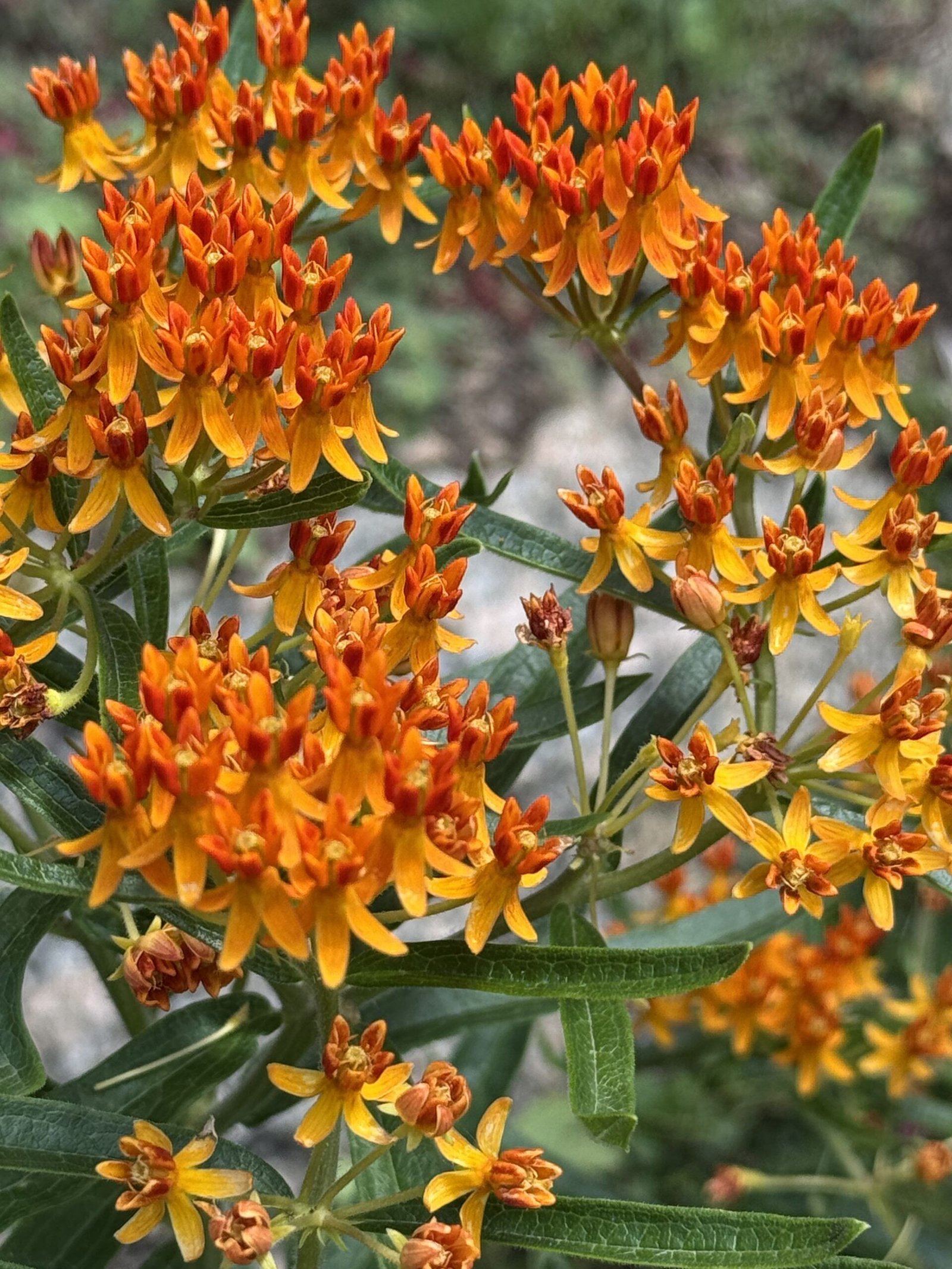
| Milkweed (Asclepias spp.) | Perennial, host plant | Summer | Essential monarch host; use native species, not tropical milkweed |
| Purple coneflower (Echinacea purpurea) | Perennial | Summer–fall | Drought-tolerant, full sun |
| Zinnia (Zinnia elegans) | Annual | Summer–fall | Easy from seed, great cut flower too |
| Butterfly bush (Buddleia davidii) | Shrub | Summer–fall | Prune hard in spring; check local invasive-species rules |
| Black-eyed Susan (Rudbeckia hirta) | Annual/perennial | Summer–fall | Tough, low-maintenance |
| Aster (Aster spp.) | Perennial | Fall | Late-season nectar for migrating monarchs |
| Lantana | Annual (tender perennial) | Summer–frost | Heat-tolerant, ideal for southern states |
Regional Tip: Use the Xerces Society's regional milkweed guides to match species to your area — planting the wrong milkweed, especially non-native tropical milkweed in warm climates, can disrupt monarch migration and increase disease risk.
Best Butterfly Flowers for UK Gardens
| Plant | Type | Bloom Season | Notes |
|---|---|---|---|
| Buddleia ("butterfly bush") | Shrub | Summer–fall | The UK's top butterfly plant; prune in spring |
| Lavender | Shrub/perennial | Summer | Thrives in dry, sunny, well-drained soil |
| Verbena bonariensis | Perennial | Late summer–autumn | Tall, airy, attracts painted ladies and red admirals |
| Common knapweed (Centaurea nigra) | Wildflower | Summer | Draws common blue and meadow brown butterflies |
| Hemp agrimony | Perennial | Late summer | Damp-tolerant; loved by red admirals and commas |
| Sedum ('Herbstfreude' / ice plant) | Perennial | Autumn | Critical late-season nectar before hibernation |
| Honeysuckle (Lonicera periclymenum) | Climber | Summer | Also feeds evening-flying moths |
Regional Tip: The RHS and Natural History Museum both stress leaving some "messy" areas — nettles, long grass, and seed heads — since these support caterpillars and overwintering adults, not just flowers.
How to Plant a Butterfly Garden: Step-by-Step
- Pick a sunny, sheltered spot. Butterflies are cold-blooded and need sun to warm their flight muscles; wind exposure keeps them away.
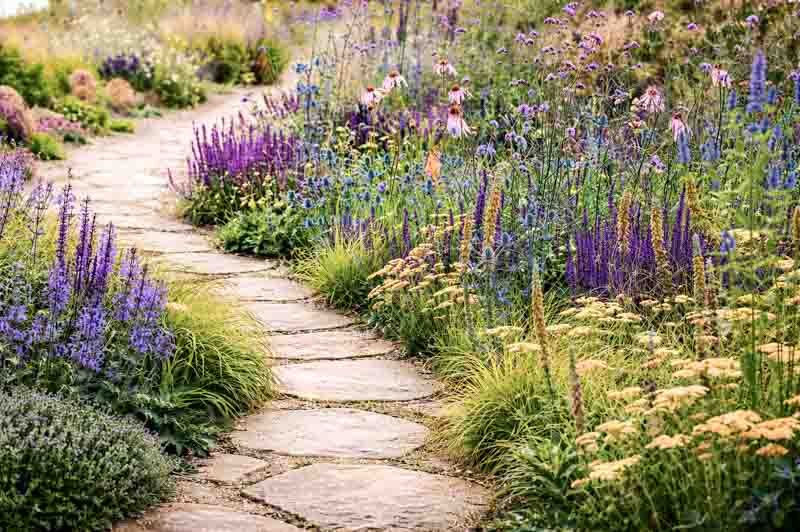
- Group flowers in clusters, not single plants. Butterflies have poor long-distance vision and are drawn to large blocks of color.
- Layer bloom times. Combine spring (forget-me-nots, primroses), summer (buddleia, coneflower), and autumn (sedum, aster) bloomers for season-long nectar.
- Add at least one host plant. Milkweed for monarchs, nettles for red admirals, or fennel/parsley for swallowtails.
- Skip the pesticides. Even products marketed as "pollinator-friendly" can harm caterpillars.
- Water regularly. Well-hydrated plants produce more nectar.
- Delay autumn tidying. Leave seed heads and stems until late winter to protect overwintering chrysalises and eggs.
Pros and Cons of a Butterfly Garden
Pros
- Supports declining pollinator populations
- Requires little specialized equipment or expertise
- Many butterfly flowers are also low-maintenance and drought-tolerant
- Adds long-blooming color and movement to any garden size, including containers
Cons
- Host plants like milkweed can look untidy or get chewed by caterpillars
- Some butterfly magnets, buddleia in particular, are considered invasive in parts of the US and need regular deadheading or pruning
- Full benefits take a season or two to establish
- Pesticide-free gardening may mean tolerating some other insect damage
Key Takeaways
- Butterfly flowers include both nectar sources (buddleia, lavender, zinnia) and caterpillar host plants (milkweed, nettles)
- US gardeners should prioritize native milkweed; UK gardeners should prioritize buddleia, lavender, and native wildflowers like knapweed
- Cluster plantings in full sun outperform scattered single plants
- Season-long blooms and a pesticide-free approach matter more than any single "best" flower
- Monarch and UK butterfly populations are in steep decline, making garden-scale action genuinely impactful
Frequently Asked Questions
What flowers attract the most butterflies?
Buddleia, lavender, zinnias, coneflower, and verbena are consistently ranked among the top nectar sources by gardening and conservation authorities in both the US and UK.
Do butterflies prefer native or non-native flowers?
Native plants are generally best because local butterfly species have co-evolved with them, especially for host plants like native milkweed. Some non-natives, such as lavender, zinnia, and verbena, still provide excellent nectar.
What is the difference between a nectar plant and a host plant?
Nectar plants feed adult butterflies; host plants are where butterflies lay eggs and where caterpillars feed. A complete butterfly garden needs both.
Is buddleia bad for the environment?
Buddleia is an outstanding nectar source but is classified as invasive in some US regions because it self-seeds aggressively. Deadhead spent flowers to control spread, or choose sterile cultivars.
How long does it take to attract butterflies to a new garden?
Some species may appear within weeks of blooming, but a fully established, reliably visited butterfly garden typically takes one to two growing seasons.
Conclusion
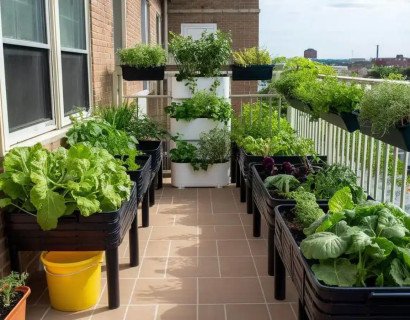
Butterfly flowers aren't just a pretty garden feature — they're a direct, measurable response to a documented pollinator decline on both sides of the Atlantic. By combining sun-loving nectar plants like buddleia, lavender, and coneflower with essential host plants like milkweed, and by skipping pesticides, gardeners in the US and UK can turn a backyard, balcony, or community plot into real butterfly habitat.
Summary:
- Plant both nectar and host flowers for a complete butterfly garden
- Group flowers in sunny clusters for maximum visibility
- Choose region-appropriate species: native milkweed in the US, buddleia and wildflowers in the UK
- Maintain blooms from spring through autumn
- Avoid pesticides and delay autumn cleanup to protect overwintering butterflies