Starting a garden for the first time can feel overwhelming, soil types, sunlight requirements, watering schedules, and a hundred conflicting opinions online. The good news: most successful gardens come down to a handful of fundamentals done consistently. This guide covers the gardening tips for beginners that actually move the needle, whether you're working with a backyard in Ohio or a balcony in Manchester.
More than half of American households already garden, and interest keeps climbing among younger gardeners in both the US and UK. If you're also exploring low-maintenance layouts, it's worth pairing beginner plant choices with a smart layout from the start rather than redesigning your beds a year in.
What Is Beginner Gardening, Exactly?
Beginner gardening refers to small-scale, low-complexity growing, typically containers, raised beds, or small plots, using plants that tolerate minor mistakes in watering, soil, or timing. It's distinct from advanced techniques like hydroponics or intensive crop rotation, which require more precise inputs.
Interest accelerated during the pandemic and has stayed high since, driven by rising grocery costs, wellness trends, and younger generations taking up the hobby. Roughly two-thirds of Gen Y and half of Gen Z gardeners plan to invest more in their gardens this year, a clear signal this isn't a fading trend.
Expert Tip: Watch your chosen spot for a full day before planting anything. Most beginner disappointment traces back to misjudged sunlight, not bad soil or wrong plant choice.
Gardening Tips for Beginners: Step-by-Step
Follow this sequence for your first growing season:
- Choose your location, most vegetables and flowering plants need 6 to 8 hours of direct sunlight daily
- Test or improve your soil, aim for a pH between 6.0 and 7.0 for most vegetables
- Start with containers or raised beds if you're unsure about your yard's soil quality
- Pick beginner-friendly plants, herbs, leafy greens, and tomatoes are forgiving and fast to show results
- Water consistently, not excessively, check soil moisture an inch deep before watering
- Mulch your beds, a 2 to 3 inch layer retains moisture and suppresses weeds
- Monitor weekly, not daily, over-intervention causes more harm than good
Gardening Tips for Beginners at Home
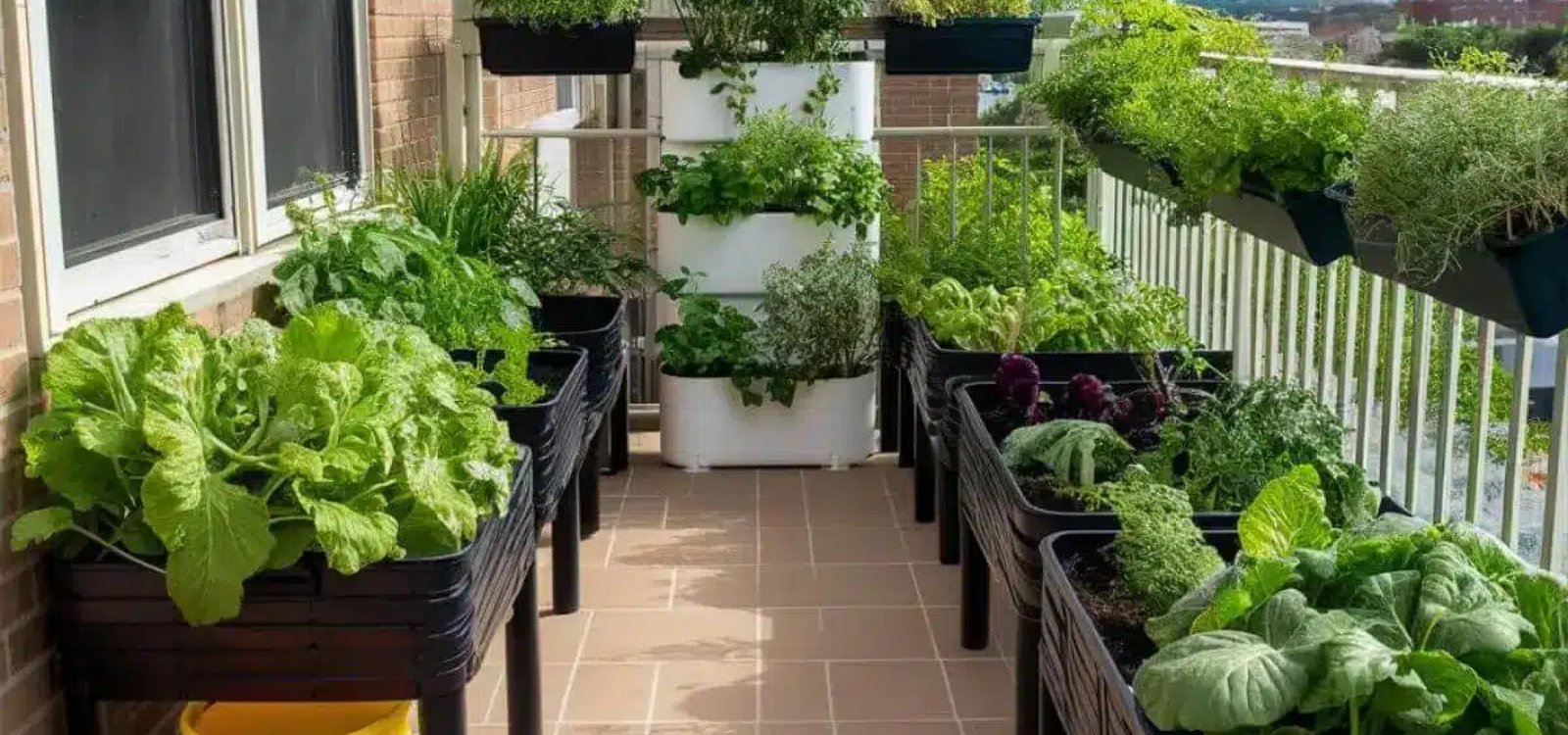
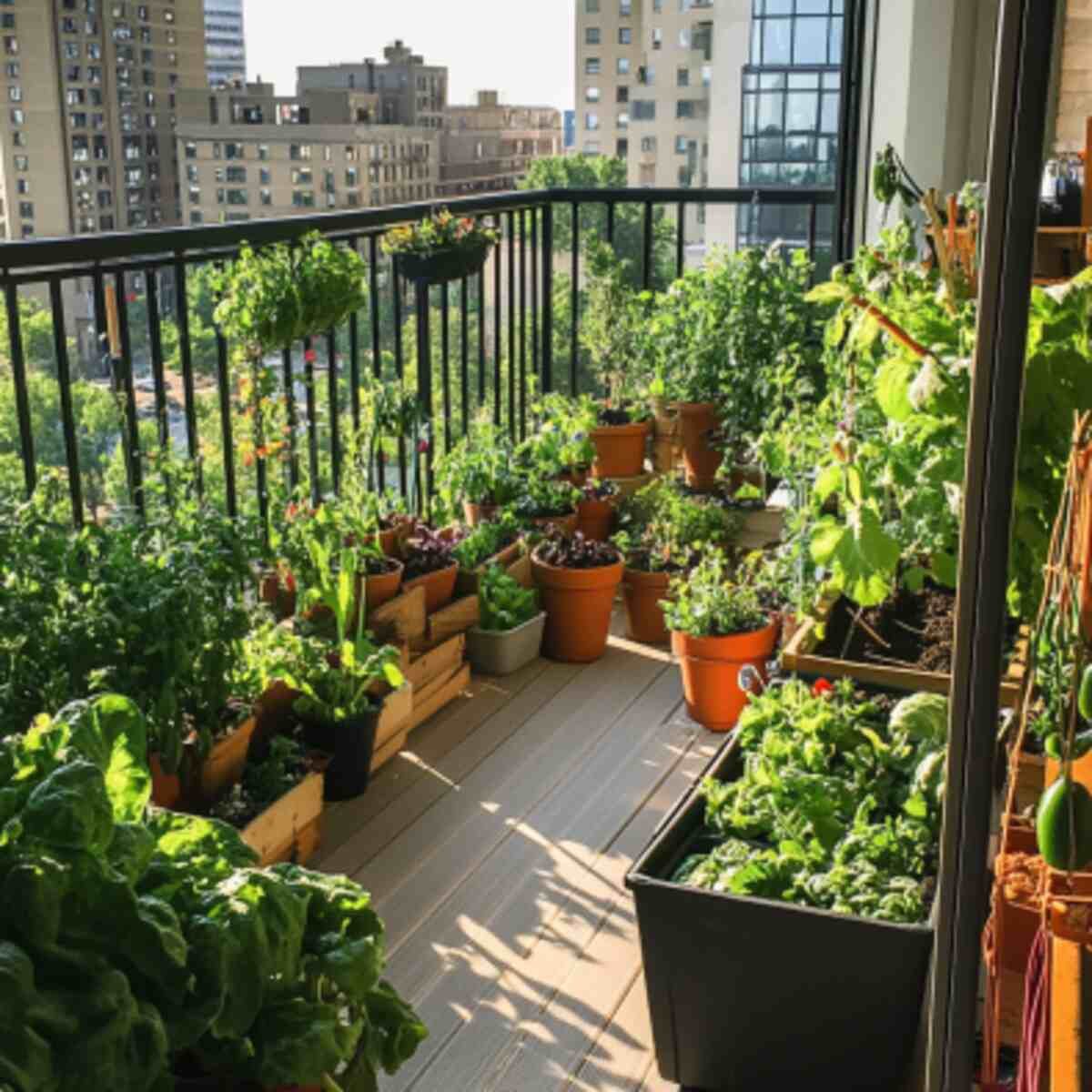
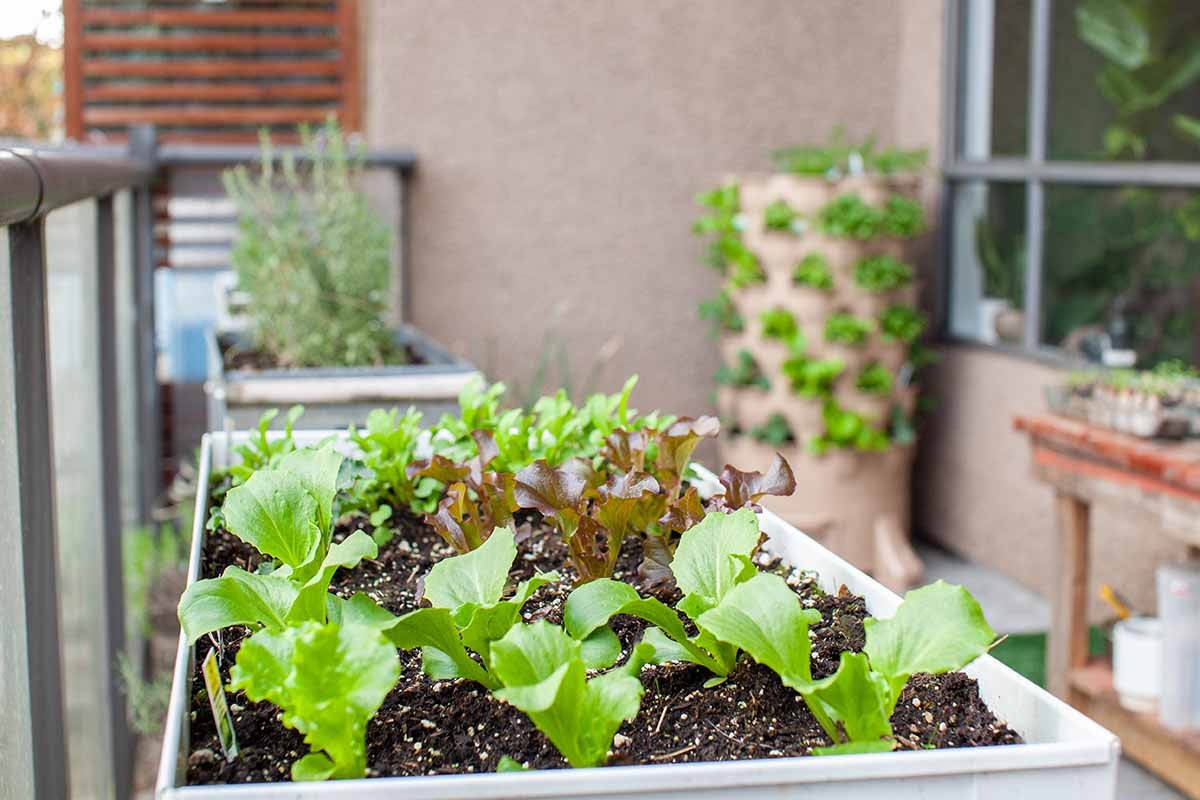
If you don't have a yard, containers on a balcony or windowsill work well for herbs, lettuce, and compact tomato varieties. Container gardening is the top choice among gardeners in their mid-30s to mid-40s, and it's especially practical for renters. Use pots with drainage holes and a quality potting mix, not garden soil, which compacts too densely in containers.
Vegetable Gardening Tips for Beginners
Vegetable gardening is the most common entry point for new gardeners. Tomatoes appear in the vast majority of home vegetable gardens, making them a reliable, well-documented first crop with abundant troubleshooting resources available. Other easy starters include:
- Radishes, ready in as little as 25 days
- Zucchini, highly productive and low-maintenance
- Bush beans, no staking required
- Peppers, thrive in containers and beds alike
Flower Gardening Tips for Beginners
For color and pollinator support, beginner-friendly flowers include marigolds, zinnias, and sunflowers, all of which germinate reliably from seed and tolerate imperfect soil conditions. Planting in drifts rather than single specimens creates a fuller look with less individual plant fuss.
Did You Know: Planting marigolds alongside vegetables isn't just decorative, their scent helps deter several common garden pests, making them a functional companion plant, not just a border filler.
Common Beginner Mistakes to Avoid
- Overwatering, leads to root rot and fungal disease, check soil moisture first
- Planting too early, risks frost damage, check your local last-frost date
- Ignoring spacing, causes overcrowding and poor airflow, follow seed packet spacing exactly
- Skipping soil prep, leads to poor nutrient uptake, amend with compost before planting
- Too many plants at once, causes overwhelm and neglect, start with 3 to 5 varieties max
Final Thoughts
Gardening for beginners isn't about getting everything right on the first try, it's about starting small, choosing forgiving plants, and building consistent habits around sunlight, water, and soil.
Start with one raised bed or a handful of containers, then expand once you've got a season of confidence behind you, the same approach that works whether you're gardening in the US or the UK.
Frequently Asked Questions
What are the best gardening tips for beginners at home?
Start with a sunny spot getting 6+ hours of light, use quality potting soil in containers if your yard soil is poor, and begin with 3 to 5 easy plants like herbs, lettuce, and tomatoes.
What are the 14 most clever gardening tips and ideas for beginners?
Beyond the basics, useful tricks include companion planting tomatoes with basil, using coffee grounds as mild fertilizer, bottom-watering seedlings, and succession planting lettuce every two weeks for continuous harvests.
What vegetable gardening tips work best for beginners?
Choose fast, forgiving crops like radishes, bush beans, and zucchini, follow seed packet spacing exactly, and avoid planting before your local last-frost date.
What flower gardening tips should beginners follow?
Marigolds, zinnias, and sunflowers are the most reliable starter flowers, they germinate easily from seed, tolerate average soil, and attract pollinators that also benefit nearby vegetables.
Are there step-by-step gardening guides for beginners in the US and UK?
Yes, the core steps of location, soil, plant choice, watering, and mulching apply in both regions, the main differences are frost dates and preferred plant varieties suited to local climate zones.
Is there a gardening for beginners PDF or checklist worth using?
Many extension offices and gardening organizations offer free printable checklists covering planting dates, spacing, and watering schedules, useful for keeping track during your first season.