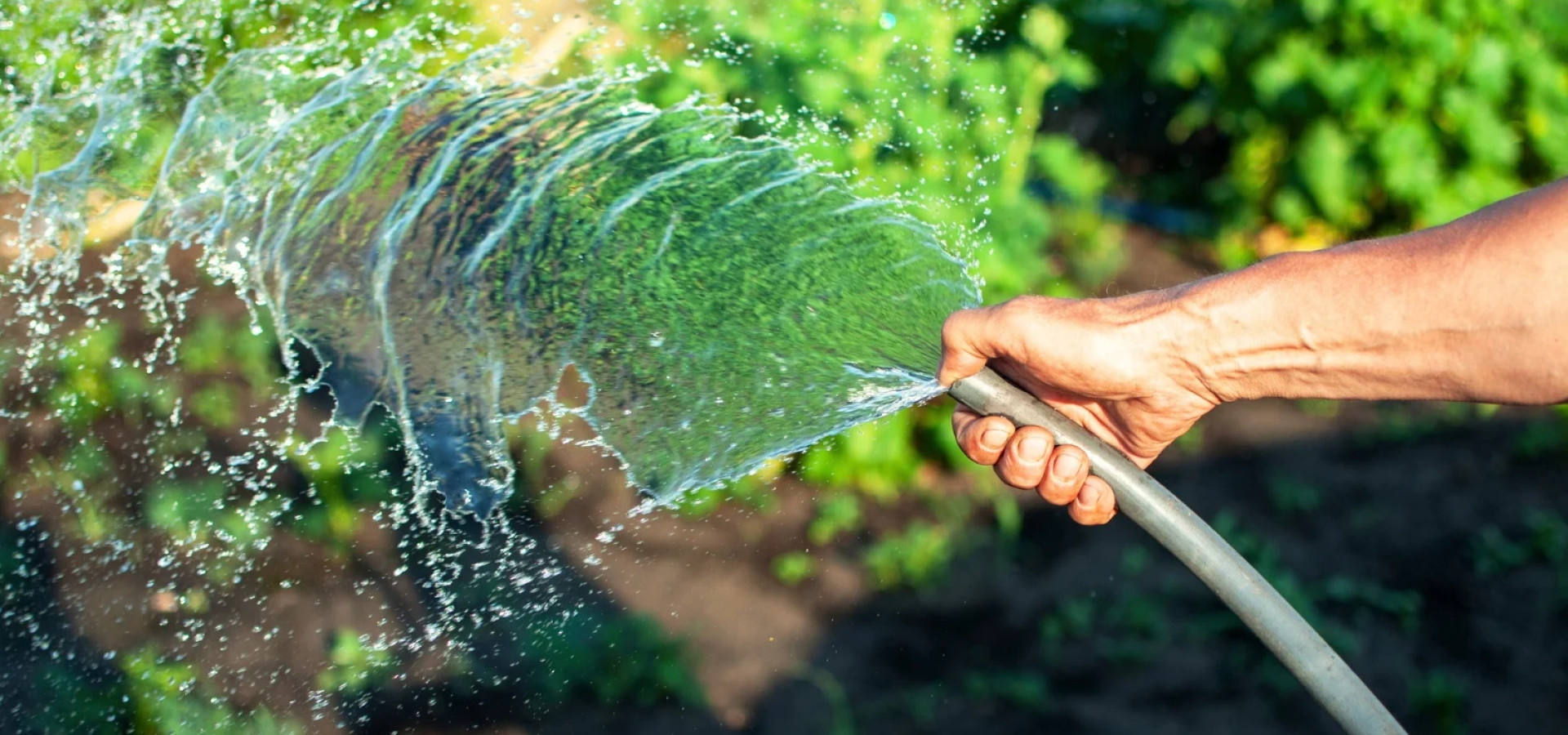
When temperatures soar and the sun beats down relentlessly, even the most established gardens can start to struggle within days. Lawns turn yellow, borders wilt, and lovingly tended pots dry out before lunchtime. But with the right approach, you can protect your plants, conserve precious water, and keep your garden looking beautiful — even through the hottest British summer on record.
Whether you are dealing with a hosepipe ban, a garden full of delicate perennials, or simply trying to keep your containers alive through a prolonged dry spell, this complete guide covers everything you need to know about heatwave garden care — from when to water and how to shade your plants, to which varieties will thrive and which ones need extra attention in 2026.
How Often Should You Water Your Garden in a Heatwave?
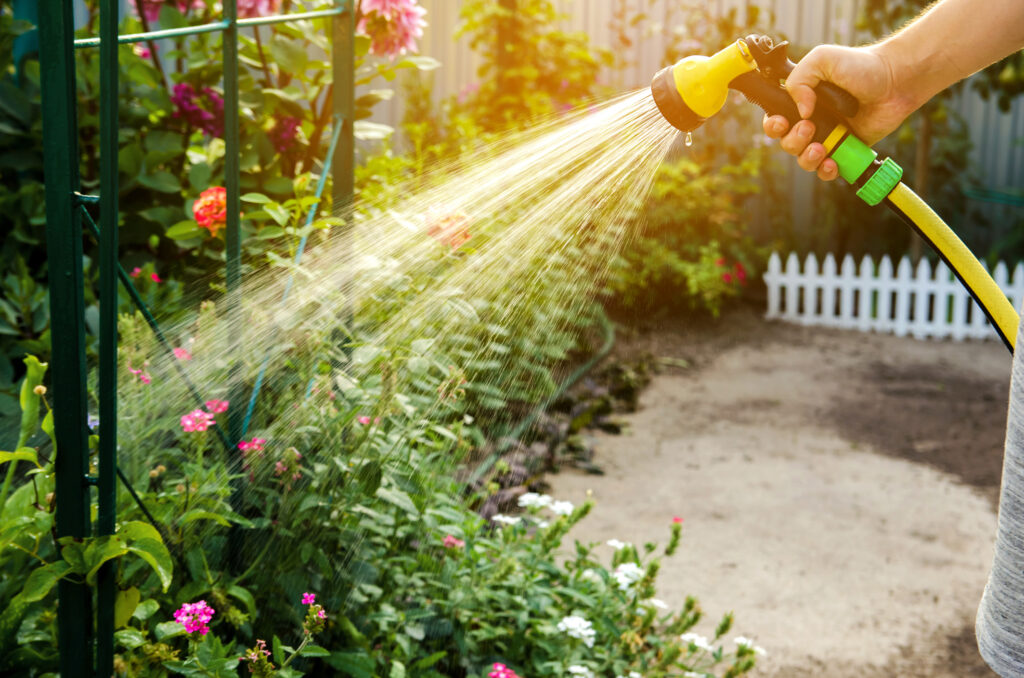
During a heatwave, the general rule is to water deeply and less frequently rather than giving plants a light sprinkle every day. Deep watering — soaking the soil to a depth of at least 15–20cm — encourages roots to grow downward in search of moisture, making plants far more resilient to drought conditions over time.
For most garden borders and vegetable patches, watering every two to three days with a thorough soaking is more beneficial than shallow daily watering. Shallow watering keeps moisture near the surface, which evaporates quickly in the heat and encourages roots to stay close to the top of the soil — precisely where they are most vulnerable.
Containers and hanging baskets are the exception. These dry out extremely quickly in hot weather and will almost certainly need watering every single day — sometimes twice daily during a prolonged heatwave. Push your finger 2–3cm into the compost: if it feels dry at that depth, it is time to water.
Expert Tip: Place a clean jam jar or rain gauge in your garden. If you are receiving less than 25mm of rainfall per week during summer, your garden almost certainly needs supplementary watering regardless of whether it looks stressed on the surface.
What Is the Best Time of Day to Water Plants in Hot Weather?
The single most effective change you can make to your watering routine during a heatwave is simply to change the time at which you water. Early morning — between 6am and 9am — is by far the best time to water your garden in hot weather. At this point, the soil and air are still cool, which means significantly less water is lost to evaporation before it can reach plant roots.
Evening watering, between 6pm and 8pm, is the second-best option and works well for most plants. The temperature has dropped sufficiently to reduce evaporation, and plants have the entire night to absorb moisture before the heat of the following day. However, be cautious with evening watering on plants prone to fungal diseases — damp foliage overnight can encourage conditions like powdery mildew and botrytis.
Watering in the middle of the day, between 11am and 3pm, is the least efficient option. Not only does a large proportion of water evaporate before it reaches the roots, but water droplets sitting on leaves in direct sunlight can also act as tiny magnifying lenses, occasionally causing localised leaf scorch.
Did You Know? Watering in the morning rather than midday can reduce your water usage by up to 30%, simply because less moisture is lost to evaporation — making it a smart choice both ecologically and practically during a hosepipe ban.
How Do You Protect Plants from Extreme Heat and Sun?
Shading is one of the most powerful and underused tools in a gardener's arsenal during a heatwave. While most sun-loving plants can tolerate full sun in a typical British summer, sustained temperatures above 30°C can cause stress even to established, drought-tolerant varieties. Temporary shading can make a dramatic difference to plant survival rates.
Horticultural shade cloth — available in 30%, 50%, and 70% shade variants — is the most practical solution for borders, raised beds, and kitchen gardens. Draped over a simple frame or cloche hoops, it allows air to circulate while filtering the most intense midday sun. Shade cloth is particularly valuable for leafy vegetables such as lettuce, spinach, and rocket, which bolt rapidly in high temperatures.
For container plants, simply moving pots into a shadier spot during the hottest part of the day — even just shifting them under a garden table or pergola between noon and 3pm — can prevent heat stress without permanently depriving them of the sunlight they need. This is especially effective for ferns, hostas, begonias, and other shade-tolerant varieties that have been placed in sunny positions.
Which Plants Survive a Heatwave — and Which Ones Need Help?
Understanding which plants are naturally equipped to handle heat and drought — and which ones are not — allows you to focus your watering and protection efforts where they will have the greatest impact, rather than treating every plant in your garden as equally vulnerable.
Plants that will generally thrive through a British heatwave with minimal intervention include lavender, rosemary, salvia, echinacea, ornamental grasses, sedum, verbena bonariensis, agapanthus, and most established shrubs and trees. These Mediterranean and prairie-style plants have evolved to handle dry heat and are perfectly suited to the long, hot summers that are becoming increasingly common across the UK.
Plants that will struggle and require consistent attention during a heatwave include hydrangeas, hostas, astilbes, ferns, newly planted trees and shrubs (anything planted within the last two years), all annual bedding plants, vegetable crops — particularly courgettes, beans, tomatoes, and cucumbers — and the entire contents of your containers and hanging baskets.
Garden Tip: Newly planted trees and shrubs — even drought-tolerant varieties like olive trees and lavender — are extremely vulnerable in their first two summers. Their root systems have not yet established deeply enough to access moisture from lower soil levels. These should be treated as a priority for watering throughout any dry spell.
How Do You Save a Wilting Plant During a Heatwave?
Discovering a wilting plant can be alarming, but in most cases it is not too late to revive it — provided you act promptly and correctly. The first thing to establish is whether the wilting is being caused by underwatering or, paradoxically, by overwatering. Both conditions produce similar symptoms: drooping leaves, a generally limp appearance, and discolouration.
To check, push your finger 5cm into the soil at the base of the plant. If it feels bone dry, the plant needs water immediately. Water slowly and deeply, allowing the moisture to penetrate to the full root depth rather than simply wetting the surface. For severely stressed container plants, submerge the entire pot in a bucket of water for 20–30 minutes — this allows the compost to rehydrate thoroughly from the bottom up.
If the soil feels wet or waterlogged, the wilting is likely caused by root damage from overwatering or heat-related fungal activity. In this case, stop watering immediately, move the plant to a shadier position, and allow the soil to partially dry out before assessing whether repotting is necessary.
How to Mulch Your Garden to Keep Soil Cool in Summer
Mulching is arguably the single most effective long-term strategy for protecting your garden during a heatwave. A 5–8cm layer of mulch applied around the base of plants and across bare soil acts as a powerful insulating blanket, reducing soil temperature, slowing evaporation, suppressing weeds that compete with your plants for moisture, and gradually improving soil structure as it breaks down.
The best mulching materials for summer heat include composted bark, wood chip, garden compost, well-rotted manure, straw (particularly useful in the vegetable garden), and gravel or pebbles for Mediterranean-style borders. Each has its own advantages: bark and wood chip are long-lasting and visually attractive; garden compost feeds the soil as it breaks down; gravel retains heat in the evening and creates perfect drainage conditions for drought-tolerant plants.
One important rule: always water the ground thoroughly before applying mulch. Applying mulch to dry soil locks the dryness in and prevents rainfall from penetrating easily. Water first, then mulch — and keep the mulch a few centimetres clear of plant stems to prevent rot.
How Do You Keep Potted Plants Alive in a Heatwave?
Container plants are the most vulnerable plants in any garden during a heatwave. Unlike border plants, which can send roots deep into the ground in search of moisture, potted plants are entirely dependent on you for their water supply. A terracotta pot in full sun can dry out completely within a matter of hours on a hot day.
The most effective strategies for keeping pots alive in hot weather are: grouping containers together in a shadier spot during the hottest part of the day, standing pots in saucers of water to allow the compost to draw moisture upward from below, adding water-retaining gel crystals to the compost at potting time, and switching to self-watering planters that have an integrated water reservoir.
For large containers that are too heavy to move, wrapping the outside of the pot in hessian, bubble wrap, or even old towels during the hottest hours can significantly reduce the rate at which the compost heats up and dries out. Dark-coloured plastic pots absorb and retain the most heat — if you have a choice, light-coloured or terracotta pots perform better during a prolonged heatwave.
How to Use Grey Water and Save Water During a Hosepipe Ban
With hosepipe bans already in effect across parts of the UK this summer, making the most of every available drop of water is both a practical and an environmental priority. Grey water — household wastewater from baths, showers, and washing-up — is perfectly safe to use on most ornamental garden plants and is an excellent way to supplement your water supply during dry spells.
The simplest approach is to keep a bucket in the shower or bath and carry it directly to the garden. Washing-up water is also fine for most plants, provided it does not contain bleach or strong chemical cleaners. Avoid using grey water on edible crops, seedlings, or any plants that are known to be particularly sensitive to detergents. Always apply grey water to the soil rather than the foliage to minimise any risk of leaf damage.
Water butts connected to your roof's downpipes remain the single best long-term solution for sustainable garden watering. Even a modest 200-litre water butt can collect enough rainwater during a single typical British rainstorm to keep a medium-sized garden watered for several days. If you do not already have one, installing a water butt before the next rainfall event is one of the most impactful investments you can make for your garden's resilience.
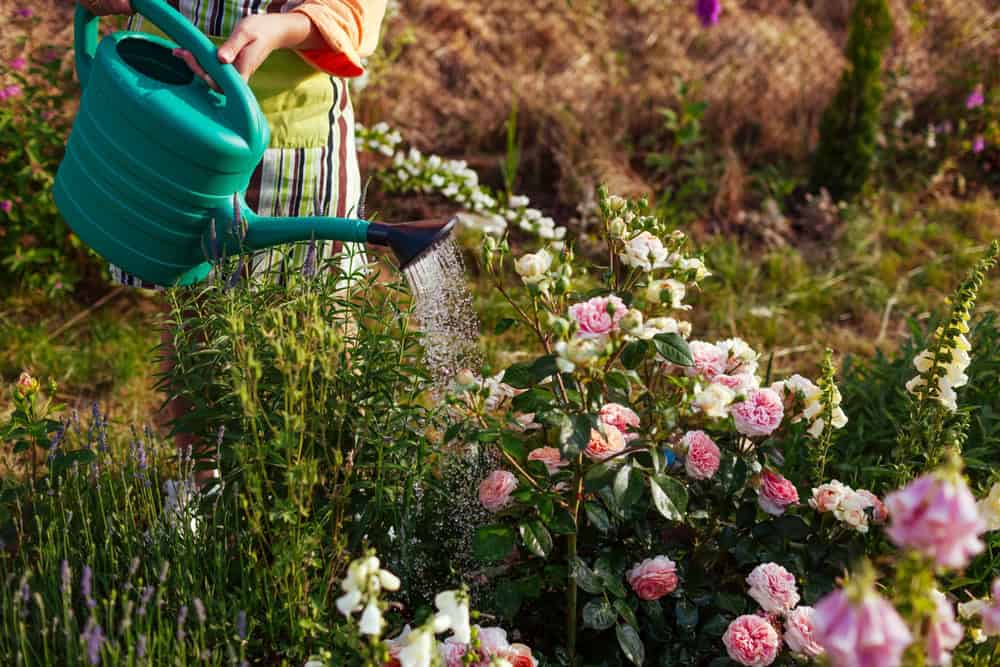
Water-Saving Tip: A standard hosepipe uses approximately 1,000 litres of water per hour — more than the average person uses in a week. Switching to a watering can for targeted root watering during a heatwave is not just more environmentally responsible, it is also more effective at delivering water exactly where plants need it.
How to Look After Your Lawn During a Heatwave
A yellowing lawn during a heatwave is one of the most common sources of anxiety for gardeners — but the good news is that British lawn grass is remarkably resilient. In the vast majority of cases, a lawn that has turned brown or yellow during hot weather is dormant, not dead. Once rain returns, it will recover and green up within just a few weeks.
The most important adjustment to make is to raise the cutting height on your lawnmower during a dry spell. Cutting the grass shorter than 4–5cm during a heatwave removes the very leaf tissue that shades the soil, protects root moisture, and keeps the lawn cooler. Leave your lawn longer than usual, cut less frequently, and remove the grass clippings rather than leaving them to mat down and block air circulation.
Avoid applying lawn fertiliser during a heatwave — this stimulates new growth at precisely the moment when the plant is trying to conserve energy and moisture. Similarly, avoid scarifying or aerating a dry, stressed lawn. Both tasks are best reserved for when rainfall has returned and the lawn has recovered its colour and vigour.
Final Thoughts
Keeping a garden alive through a heatwave is less about heroic intervention and more about small, consistent habits applied at the right time of day. Water deeply in the early morning, mulch every bare patch of soil, give your containers daily attention, and do not panic when your lawn turns yellow — it will recover. The gardens that come through hot summers in the best condition are invariably those where the groundwork was done before the heat arrived: good soil structure, a thick layer of mulch, and plants well-suited to the conditions.
With temperatures across the UK and Europe continuing to break records in summer 2026, learning to garden with heat and drought in mind is no longer just useful knowledge — it is essential. The silver lining is that a heatwave is also the perfect opportunity to reassess your planting choices and move gradually towards a more drought-resilient garden that will reward you beautifully year after year.
Frequently Asked Questions
How long can garden plants survive without water in a heatwave?
Most established border plants can survive 7–14 days without water during a heatwave if the soil was well mulched beforehand. Container plants, annual bedding, and vegetables may begin to show serious stress within 24–48 hours in extreme heat. Newly planted trees and shrubs should never be left unwatered for more than 3–4 days during hot weather.
Should I cut back plants in a heatwave?
As a general rule, avoid major pruning during a heatwave. Cutting back stimulates new growth which places additional demands on a plant that is already under stress. The exception is removing any dead or dying material that could harbour disease. Save significant pruning for when cooler, wetter conditions return.
Does watering plants in the sun cause leaf scorch?
Water droplets sitting on leaves in direct intense sunlight can act as tiny lenses that focus the sun's rays, occasionally causing small brown scorch marks. While the risk is relatively minor, it is best practice to direct water to the base of plants rather than over the foliage, and to avoid watering in the hottest midday hours where possible.
How hot is too hot for garden plants in the UK?
Most common British garden plants begin to experience heat stress at sustained soil temperatures above 30°C. Air temperatures above 35°C can cause visible wilting, leaf curl, and blossom drop even in otherwise healthy plants. Mediterranean varieties such as lavender, rosemary, and salvia are among the most tolerant, while hydrangeas, ferns, and hostas are among the most sensitive.
Can you overwater plants during a heatwave?
Yes — overwatering is a surprisingly common mistake during hot weather. Gardeners see stressed plants and respond by watering repeatedly, but if the soil is already moist and drainage is poor, excess water can cause root rot and fungal disease. Always check soil moisture with your finger before watering, and ensure containers have adequate drainage holes.
Will my brown lawn recover after a heatwave?
In almost all cases, yes. British lawn grasses are extremely resilient and enter dormancy rather than dying when deprived of water. A lawn that has turned completely brown during a heatwave will typically begin to show green recovery within one to two weeks of the return of regular rainfall, with full recovery usually complete within four to six weeks.
Is grey water safe to use on garden plants?
Grey water from baths, showers, and washing-up is safe to use on the majority of ornamental garden plants. Avoid using it on edible crops, seedlings, or acid-loving plants like rhododendrons and blueberries. Always apply grey water to the soil rather than directly onto foliage, and avoid grey water that contains bleach, strong disinfectants, or nappy-washing residue.
What is the best mulch to use during a summer heatwave?
Composted bark or wood chip is the most practical and widely available mulch for summer use in ornamental borders. Garden compost is excellent for vegetable beds as it feeds the soil as it breaks down. For Mediterranean-style borders with drought-tolerant planting, gravel or crushed stone creates ideal drainage conditions and looks beautiful while reducing moisture loss.